
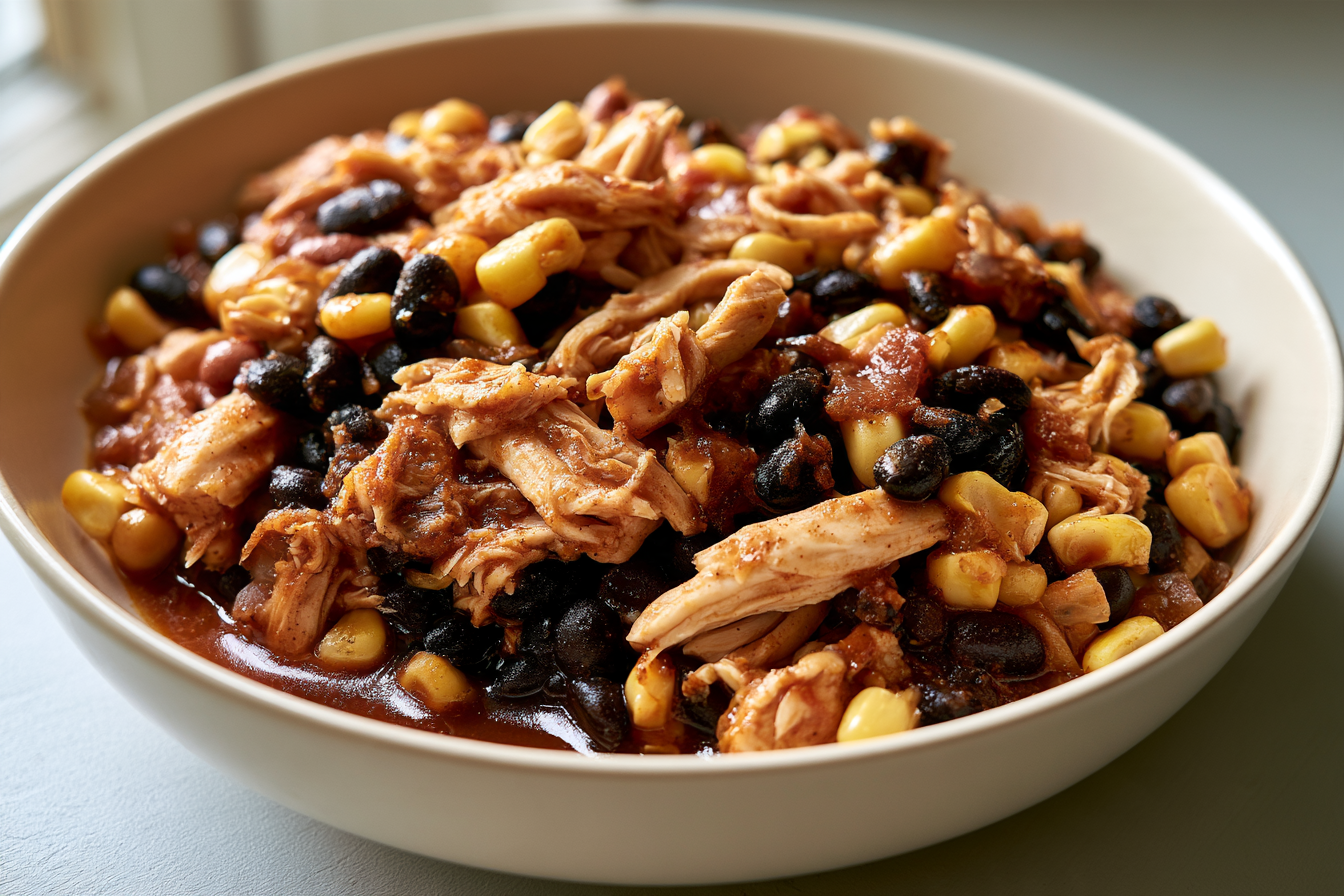
Slow cooker meal prep turns one low-hands-on cooking session into ready-to-heat lunches, flexible dinners, or freezer portions for later. The most useful system is not about cooking a huge amount of food at once. It is about choosing a batch you can cool, store, and use safely before it loses its appeal.
Use this weekly framework to plan one main slow cooker recipe, portion it with purpose, and decide what belongs in the refrigerator versus the freezer. A complete chicken and bean meal-prep recipe is included at the end.
Start with the meals you actually need
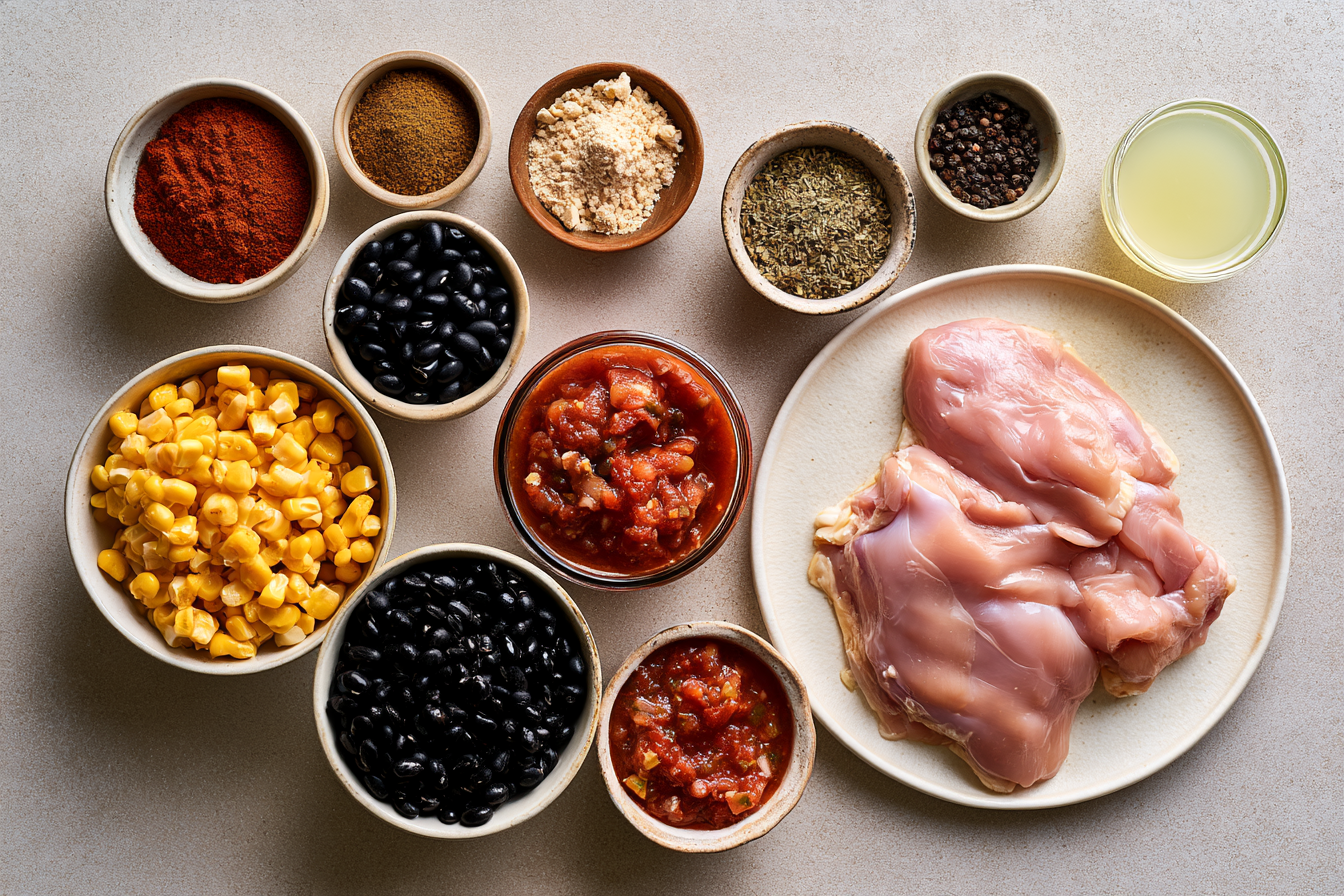
Before choosing a recipe, decide where the batch fits in your week. A slow cooker meal can cover several workday lunches, provide a few easy dinners, or become a versatile protein component for grain bowls, salads, wraps, and baked potatoes.
A simple starting point is one batch that makes four to six portions. That amount is large enough to reduce weekday cooking but small enough to manage in a standard slow cooker and keep the menu from feeling repetitive.
Ask three practical questions:
- How many meals will be eaten at home in the next three to four days?
- Will the finished recipe be a complete meal, or will you add sides when serving?
- Which portions should be frozen right away for a future week?
For example, a chili or saucy shredded chicken works well as a flexible base. Pair it with rice, roasted vegetables, tortillas, salad greens, or a baked potato when you are ready to eat. A soup with vegetables and beans may already be a more complete lunch on its own.
Choose recipes that hold up well
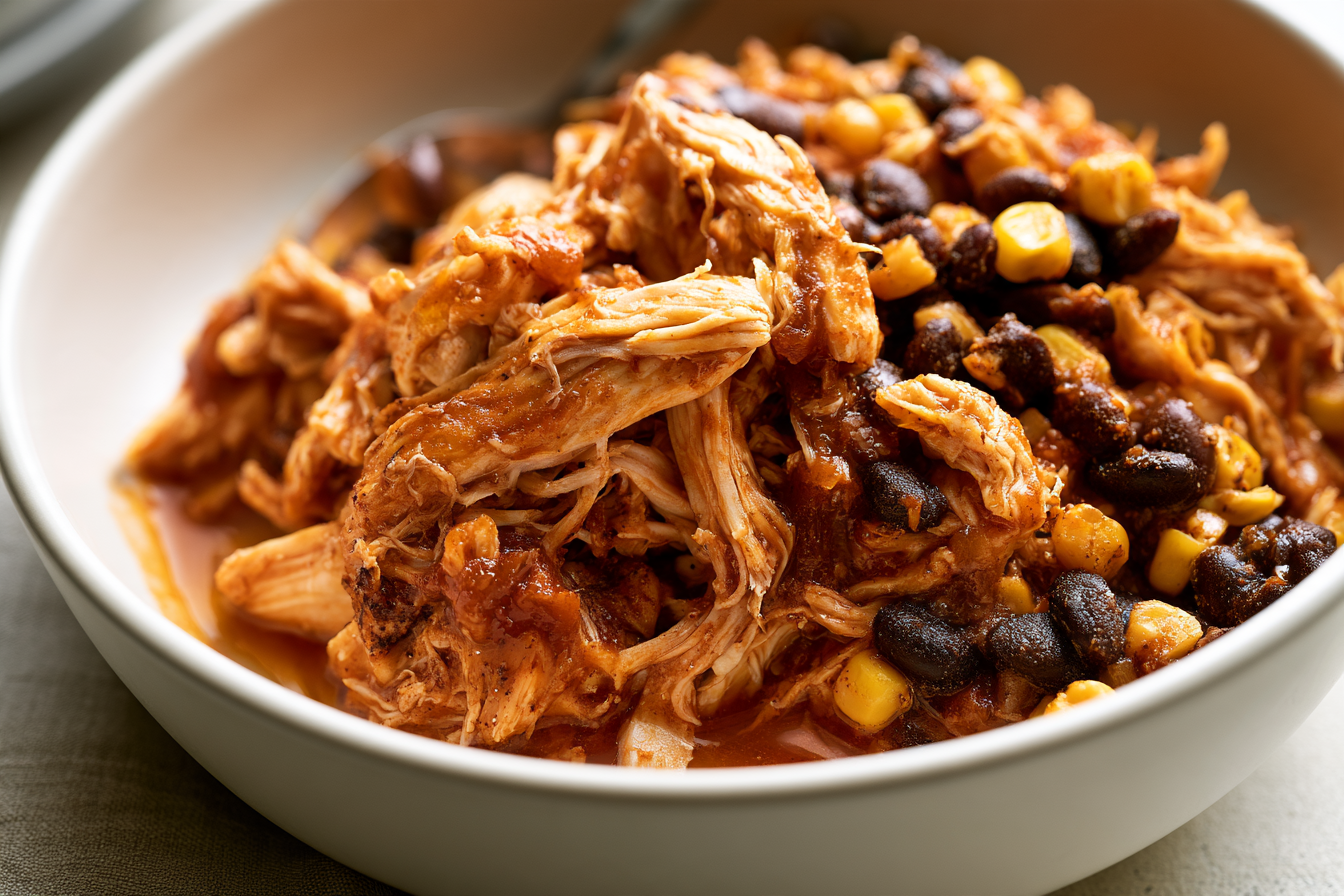
The best slow cooker meal-prep recipes have ingredients that stay appealing after chilling and reheating. Saucy meats, beans, lentils, chili, soups, and braises are usually practical choices because their moisture helps protect the texture of the food.
Recipes that need a crisp topping, delicate fresh herbs, or a just-cooked texture are still useful, but keep those elements separate. Add them after reheating rather than packing them into every container.
For a dependable weekly batch, look for a recipe with:
- A clear serving yield
- A protein ingredient such as chicken, turkey, beef, beans, or lentils
- Enough sauce or broth to prevent dry portions
- Ingredients that can be portioned evenly
- Straightforward reheating instructions
A slow cooker is especially helpful for hands-off cooking, but it is not a storage container. Plan to transfer the finished food to meal-prep containers after cooking and cooling.
Match the batch size to your slow cooker
Slow cookers work best when they are neither barely filled nor packed to the rim. Check your appliance manual for its specific capacity and use instructions. As a general planning habit, choose recipes designed for the size of slow cooker you own.
A 5 to 6 quart slow cooker is a practical size for many recipes that yield four to six meal-prep portions. Larger appliances suit chili, soups, and bigger cuts of meat, but a bigger batch also means more food to portion, cool, and use promptly.
Do not double a recipe automatically. Doubling can crowd the cooker, slow cooking, and leave too much food for your household to finish. If you want more future meals, make a normal batch and freeze some portions early, or prepare a second batch another week.
Build a short prep routine
Meal prep is easier when you separate active work from slow-cooker time. A typical session has four parts.
1. Prep ingredients
Wash produce, drain canned beans when the recipe calls for it, measure spices, and trim meat as needed. Use separate cutting boards, plates, and utensils for raw meat and ready-to-eat foods. Wash hands with soap and water after handling raw poultry or meat.
If a recipe uses frozen meat, thaw it safely in the refrigerator before putting it in the slow cooker. USDA advises against cooking frozen meat or poultry in a slow cooker because it may spend too long in the temperature danger zone.
2. Cook while you do something else
Set the slow cooker on the recipe's stated LOW or HIGH setting. Keep the lid closed as much as possible, since lifting it releases heat and can lengthen the cooking time.
For poultry, use a food thermometer to confirm the thickest part reaches 165°F. For ground meats, check the temperature called for by USDA guidance for that meat. Texture can be a useful cooking clue, but it does not replace a thermometer.
3. Portion promptly
Once the food is cooked, divide it into shallow containers. Portioning while the food is still warm makes it easier to create even servings, especially for recipes with meat, beans, and sauce.
If you are adding rice, pasta, or vegetables, decide whether to store them separately. Separate components give you more variety during the week and can help prevent rice or pasta from becoming too soft in a saucy dish.
4. Cool and refrigerate
Perishable cooked food should be refrigerated within two hours. For a large batch, shallow containers help it cool more quickly. Avoid leaving a full slow cooker insert of food on the counter to cool for an extended period.
Portion with a purpose
Portioning is where a cooked batch becomes a useful meal-prep system. Use containers that fit the way you will eat the food rather than making every portion identical.
For lunches, pack one complete serving with the main dish and any ready-to-reheat side. For dinners, store the main recipe in larger containers and choose sides later. For freezer meals, use single portions when you want quick lunches, or two-serving containers for easy dinners.
Label each container with the recipe name and date. If several meals look similar after freezing, a brief label prevents forgotten containers and makes it easier to rotate through what you have.
A helpful approach is to reserve some components separately:
- Store toppings such as shredded cheese, cilantro, sliced green onions, or yogurt in small containers.
- Keep crisp vegetables and salad greens separate from warm foods.
- Pack grains separately if you want to use the slow cooker filling in bowls one day and wraps the next.
Use the refrigerator and freezer strategically
Cooked leftovers are generally safe in the refrigerator for three to four days when promptly refrigerated at 40°F or below. Plan to eat refrigerated portions first.
Freeze portions you will not eat within that window. Freezing preserves food quality best when done promptly, and single servings thaw and reheat more conveniently than one large frozen block. Leave a little room at the top of a container for expansion if it is freezer-safe.
For best organization, keep a simple freezer list on your phone or a note near the freezer. Record the recipe, date, and number of portions. This turns leftover meal prep into a practical backup dinner plan instead of a collection of unidentified containers.
To thaw a frozen portion, use the refrigerator, cold water, or a microwave according to the food's package and appliance directions. Do not thaw food on the counter. Reheat leftovers until they reach 165°F, stirring saucy foods partway through reheating when possible so the center heats evenly.
Make reheating easier
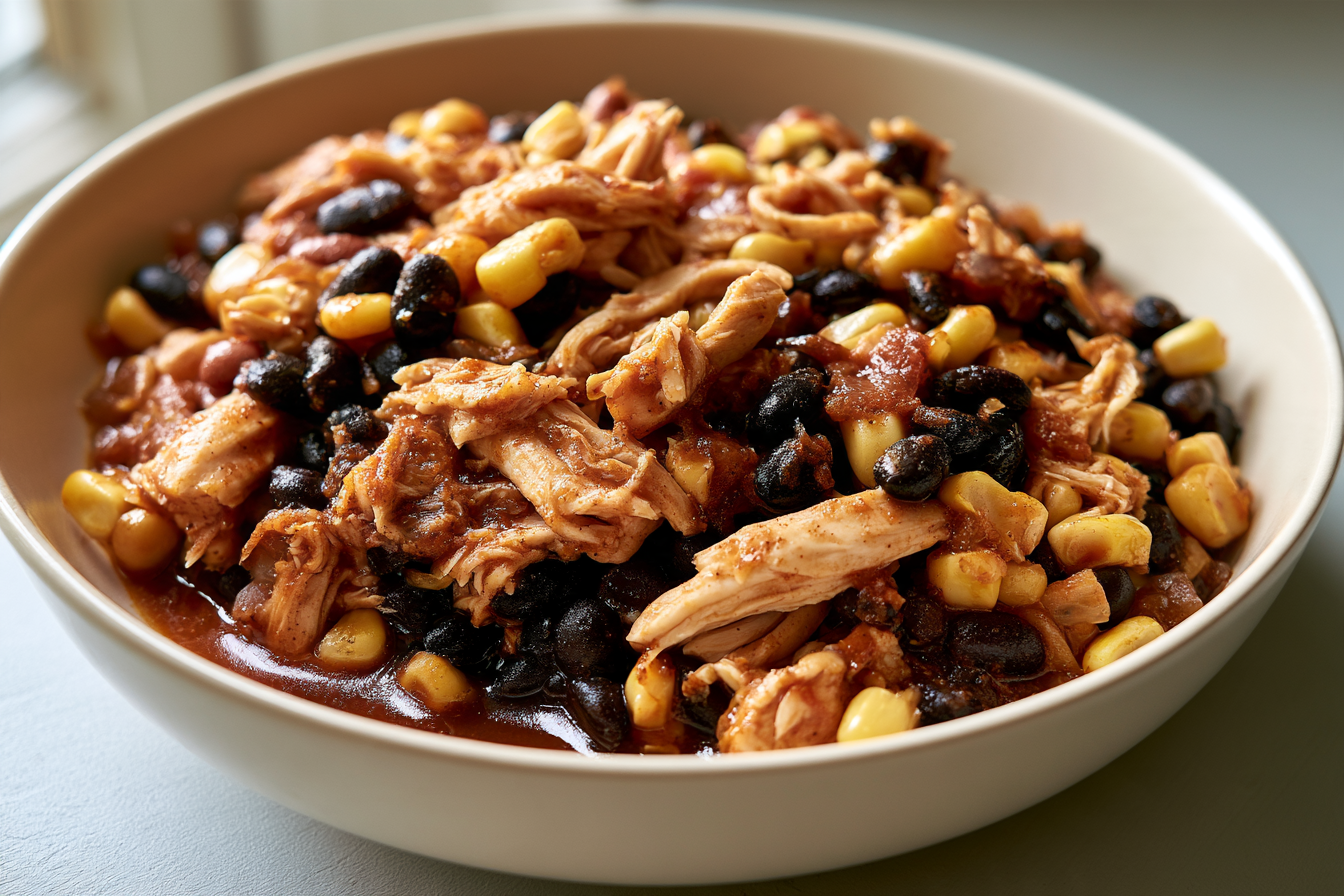
The best reheating method depends on the meal and container. Microwave-safe single portions are convenient for lunches. Larger amounts of soup, chili, and shredded meat can be reheated in a saucepan over medium-low heat, stirring as needed.
If a meal seems thick after chilling, add a small splash of water, broth, or sauce before reheating. This is particularly useful for chili, beans, and shredded chicken. Add fresh toppings after the food is hot.
Avoid reheating the same container repeatedly. Reheat the portion you plan to eat, then return the remaining cold portions to the refrigerator or freezer.
A simple weekly slow cooker meal-prep schedule
A repeatable routine does not need a complicated menu spreadsheet. Try this basic structure:
- Choose one slow cooker recipe and decide whether it is for lunches, dinners, or both.
- Check your refrigerator and freezer before shopping so you can use food already on hand.
- Prep ingredients at a time when you can transfer and refrigerate the finished food within two hours.
- Portion the batch into refrigerator meals and freezer meals.
- Add a fresh side or topping during the week to keep meals interesting.
For example, the recipe below can be served over rice on the first day, spooned into tortillas later in the week, and frozen in individual portions for a quick future bowl. Its chicken, beans, corn, and salsa make it a practical main component for several types of meals.

MACRO SIMMER RECIPE
Slow Cooker Salsa Chicken and Black Bean Meal Prep
Saucy shredded chicken, black beans, corn, and salsa cook together for six flexible meal-prep portions. Serve it in bowls, tortillas, or over a baked potato.
Ingredients
Instructions
Allergens
This recipe does not contain any of the major allergens as written. Check salsa and canned bean labels, since packaged ingredients can vary.
Substitutions
- Use boneless, skinless chicken thighs in place of chicken breasts. They may need the same cooking range, but always confirm 165°F with a thermometer.
- Replace black beans with drained and rinsed pinto beans or kidney beans. The flavor and texture will change slightly, but the method remains the same.
- Use frozen diced bell pepper instead of frozen corn for a less sweet vegetable option.
- Choose a mild, medium, or hot salsa to control the heat. Salsa thickness and sodium content vary by brand.
Storage, freezing and reheating
Refrigerate cooked portions within two hours in shallow containers at 40°F or below. Eat refrigerated portions within three to four days. Freeze portions that will not be eaten during that time.
Thaw frozen portions in the refrigerator, in cold water, or in the microwave. Reheat individual portions in a microwave-safe container or reheat larger amounts in a saucepan. Heat to 165°F before serving. Add a splash of water or salsa if the mixture has thickened after chilling.
Nutrition
Estimated nutrition per serving: Calories: 420 calories; Protein: 45 g; Carbohydrates: 43 g; Fat: 4 g; Fiber: 8 g; Sugar: 7 g; Sodium: 650 mg.
Nutrition estimates are based on the listed ingredients and six servings. Salsa and canned bean brands can change the final values, especially sodium.
Helpful equipment
Affiliate disclosure: This post contains paid links. As an Amazon Associate I earn from qualifying purchases.
- Crock-Pot 6-Quart Programmable Slow Cooker (paid link)A 6-quart programmable slow cooker with a digital timer and locking lid for standard slow-cooker recipes and easier transport.
- Instant-Read Digital Meat Thermometer (paid link)An instant-read digital thermometer for checking the safe internal temperature of chicken, turkey, beef, and other cooked foods.
Join the conversation
0 comments
Leave a comment
Your email address will not be published. Comments are reviewed before appearing.