
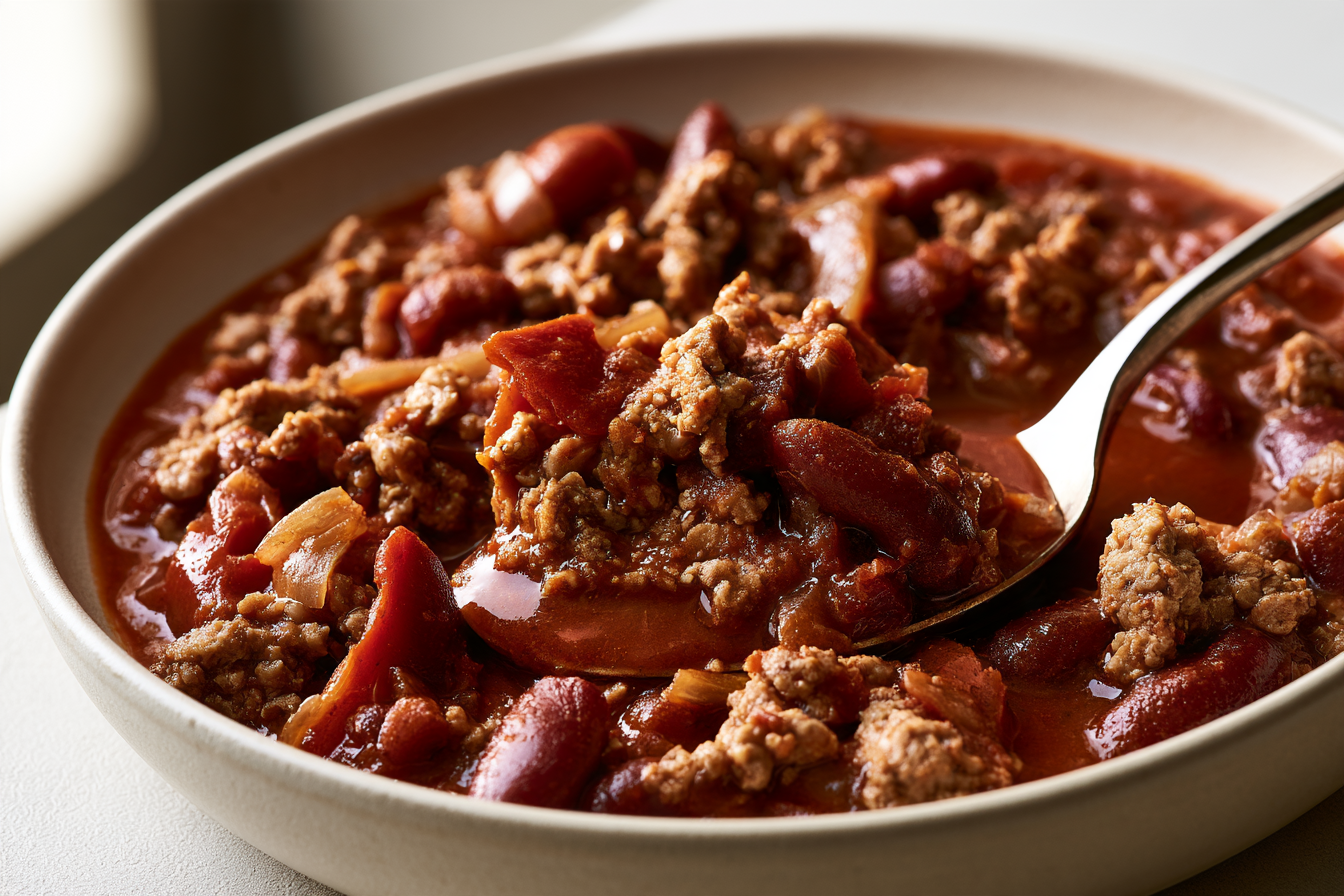
Slow cooker beef and turkey recipes can make protein-focused dinners feel much more manageable on busy days. This guide explains which cuts work best, when browning is worth the extra pan, how much liquid to use, and how to cook ground meat safely. It also includes a hearty slow cooker beef and turkey chili that makes a practical dinner or portioned lunch.
Start with the right beef or turkey
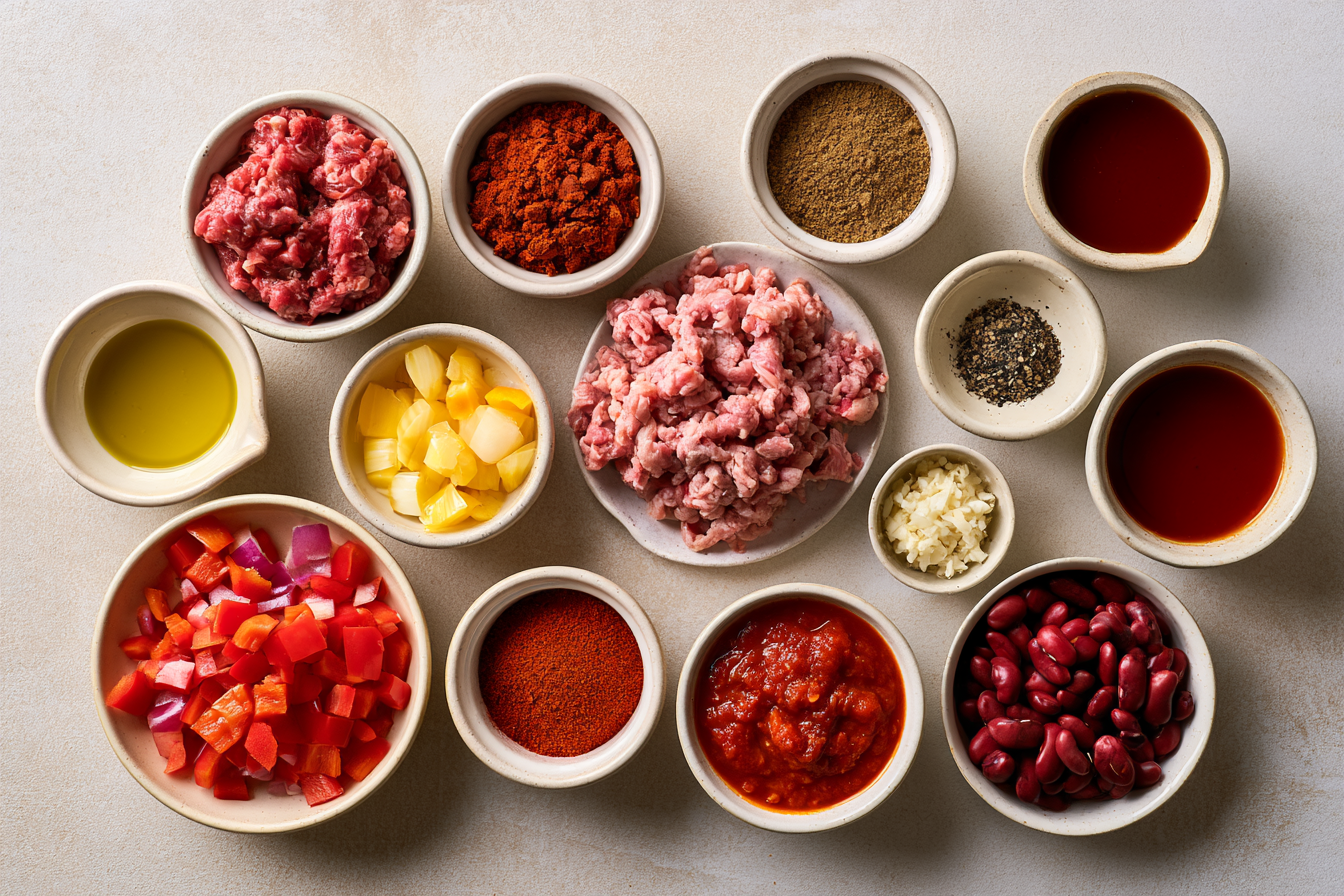
The slow cooker is especially useful for meats that benefit from gentle, extended cooking. The best choice depends on whether you want shreddable pieces of meat, a spoonable chili, or a sauce for bowls and sandwiches.
Beef cuts for tender slow cooker meals
Choose tougher, well-marbled cuts for recipes that cook for several hours. These cuts gradually become tender as connective tissue softens.
- Chuck roast: A reliable choice for shredded beef, pot roast, and beef stew. Cut it into large chunks for more even cooking.
- Beef stew meat: Convenient for soups and stews, though pieces can vary in size. Trim unusually large pieces so they cook at a similar pace.
- Brisket: Best for recipes built around slicing or shredding after a long cook.
- Lean ground beef: A good fit for chili, pasta sauce, taco-style fillings, and layered casseroles. Browning first improves texture and lets you drain excess fat.
Very lean steak cuts are usually not the best slow cooker option. They have less connective tissue and can become dry or firm during a long cook.
Turkey choices that hold up well
Turkey brings a mild flavor and works particularly well with chili spices, tomato-based sauces, broth, beans, and vegetables.
- Lean ground turkey: Ideal for chili, meat sauce, and seasoned fillings. Brown it before slow cooking for the most appealing texture.
- Turkey thighs: More forgiving than turkey breast for long cooking. Use boneless thighs for shreddable meals.
- Turkey breast: Can work in soups and saucy recipes, but it is leaner and can dry out if left too long after reaching a safe temperature.
For a recipe using ground turkey, plan to use a food thermometer rather than relying on color. Ground turkey must reach 165°F.
When browning makes a difference
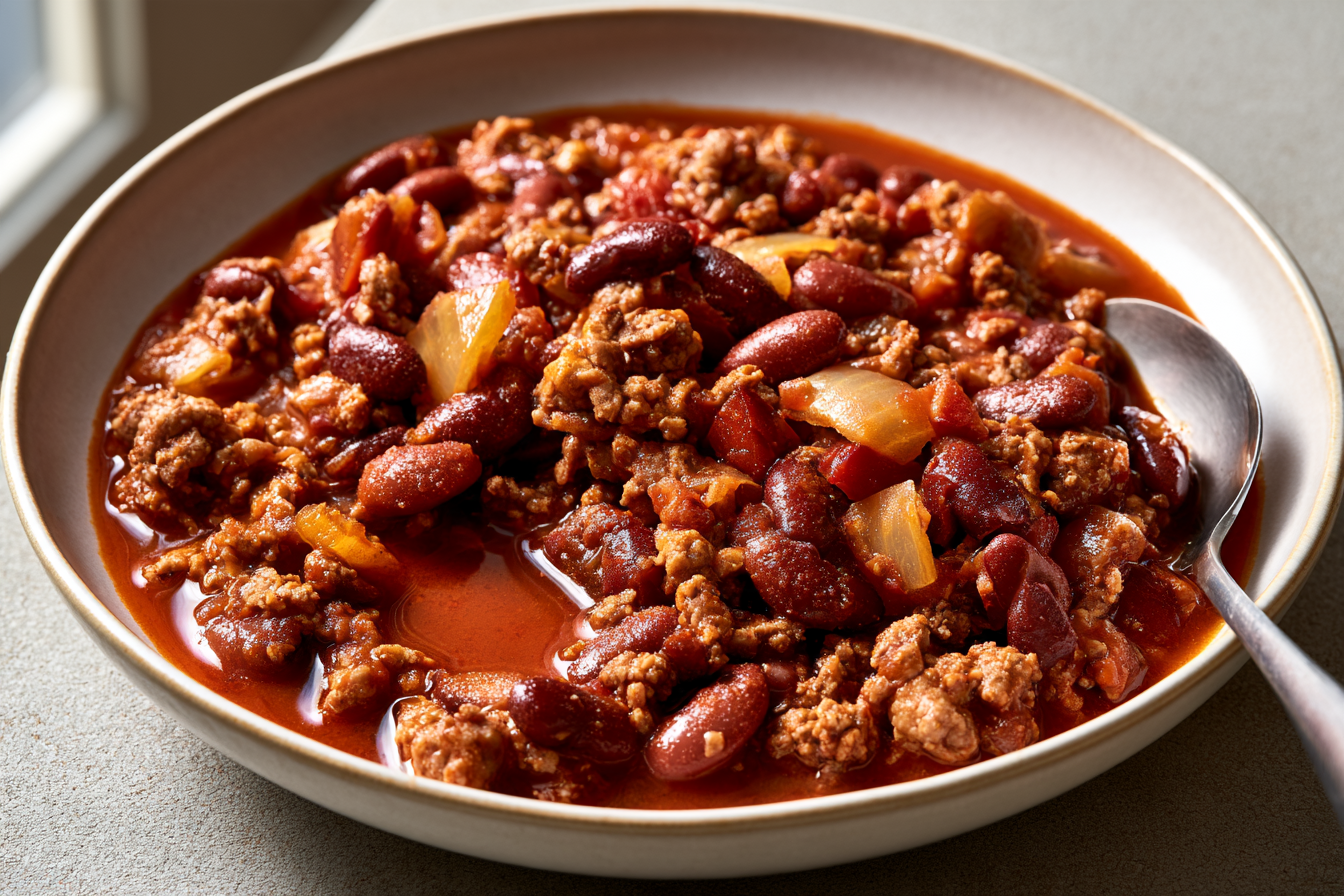
Browning is optional for some slow cooker recipes, but it is especially helpful with ground beef and ground turkey. It breaks the meat into small pieces, creates a better finished texture, and gives you a chance to drain rendered fat before the meat goes into the slow cooker.
For roasts and chunks of beef, browning adds deeper flavor and color. It is useful when you have 10 extra minutes, but the meal can still be cooked without it if the recipe is designed for that approach.
When browning ground meat:
- Heat a large skillet over medium-high heat.
- Add the meat and break it into small, even crumbles.
- Cook until no pink remains in the turkey. Ground beef should be cooked to 160°F and ground turkey to 165°F.
- Drain excess fat if needed, then transfer the meat to the slow cooker.
Get the liquid balance right
Slow cookers trap moisture, so recipes generally need less liquid than stovetop braises and soups. Meat and vegetables release juices as they cook, while a tight-fitting lid limits evaporation.
For a beef roast, start with enough broth, sauce, or other cooking liquid to flavor the meat and keep the bottom of the cooker moist. The meat does not need to be fully submerged. For chili and soup, use enough liquid to create the consistency you want, then adjust near the end if necessary.
A few practical rules help:
- Use a slow cooker that is roughly half to three-quarters full for more even cooking.
- Keep the lid on during cooking. Lifting it releases heat and can extend the cooking time.
- Add delicate vegetables, dairy, and fresh herbs near the end when the recipe calls for them.
- If a finished chili or sauce seems thin, uncover it for the final 20 to 30 minutes on HIGH, or stir in an appropriate thickener such as a cornstarch slurry when the recipe supports it.
Tomatoes, broth, canned beans, onions, and peppers all contribute moisture. In a chili, it is often better to begin slightly thick than overly soupy.
Build tenderness without overcooking
Tender slow cooker beef is mostly about using the right cut and allowing enough time. Chuck roast and brisket usually need several hours on LOW before they are easy to shred or cut with a fork. If a roast still feels chewy, it often needs more time rather than more liquid.
Ground beef and turkey are different. Once browned, they do not need the same long cooking time as a roast. They can simmer with beans, vegetables, and sauce long enough for the flavors to blend without requiring an all-day cook.
For recipes containing both ground beef and ground turkey, browning the meats first makes timing simpler. The slow cooker then functions as a gentle simmer for the finished crumbles and the surrounding sauce or chili base.
Make lean ground meat more satisfying
Lean ground beef and turkey can taste dry when cooked without enough moisture or seasoning. The solution is not necessarily more oil. Build flavor and texture with ingredients that suit the recipe.
For chili, tomatoes, beans, onions, peppers, chili powder, cumin, and a measured amount of broth create a rich base. For a saucy filling, use salsa, crushed tomatoes, or a broth-based sauce. A small amount of Worcestershire sauce can add savory depth, but check labels if gluten is a concern.
Beans are also useful in beef and turkey chili because they add body and make the meal more filling. Rinse and drain canned beans to remove packing liquid and help moderate sodium.
Food safety for slow cooker beef and turkey
Safe handling starts before the slow cooker is turned on. Keep raw meat refrigerated until cooking time, wash hands after handling it, and clean cutting boards, knives, and counters that touched raw meat.
Use these minimum internal temperatures:
- Ground beef: 160°F
- Ground turkey and other poultry: 165°F
- Beef roasts, steaks, and chops: 145°F followed by a 3-minute rest
For mixed ground beef and turkey dishes, cook the turkey portion to 165°F. In a chili made with fully browned meat, use the thermometer during browning and bring the finished chili to a thorough simmer during the slow cooking process.
Refrigerate leftovers within 2 hours. Divide a large batch into shallow containers so it cools more quickly, and reheat leftovers to 165°F.
A simple meal-prep approach
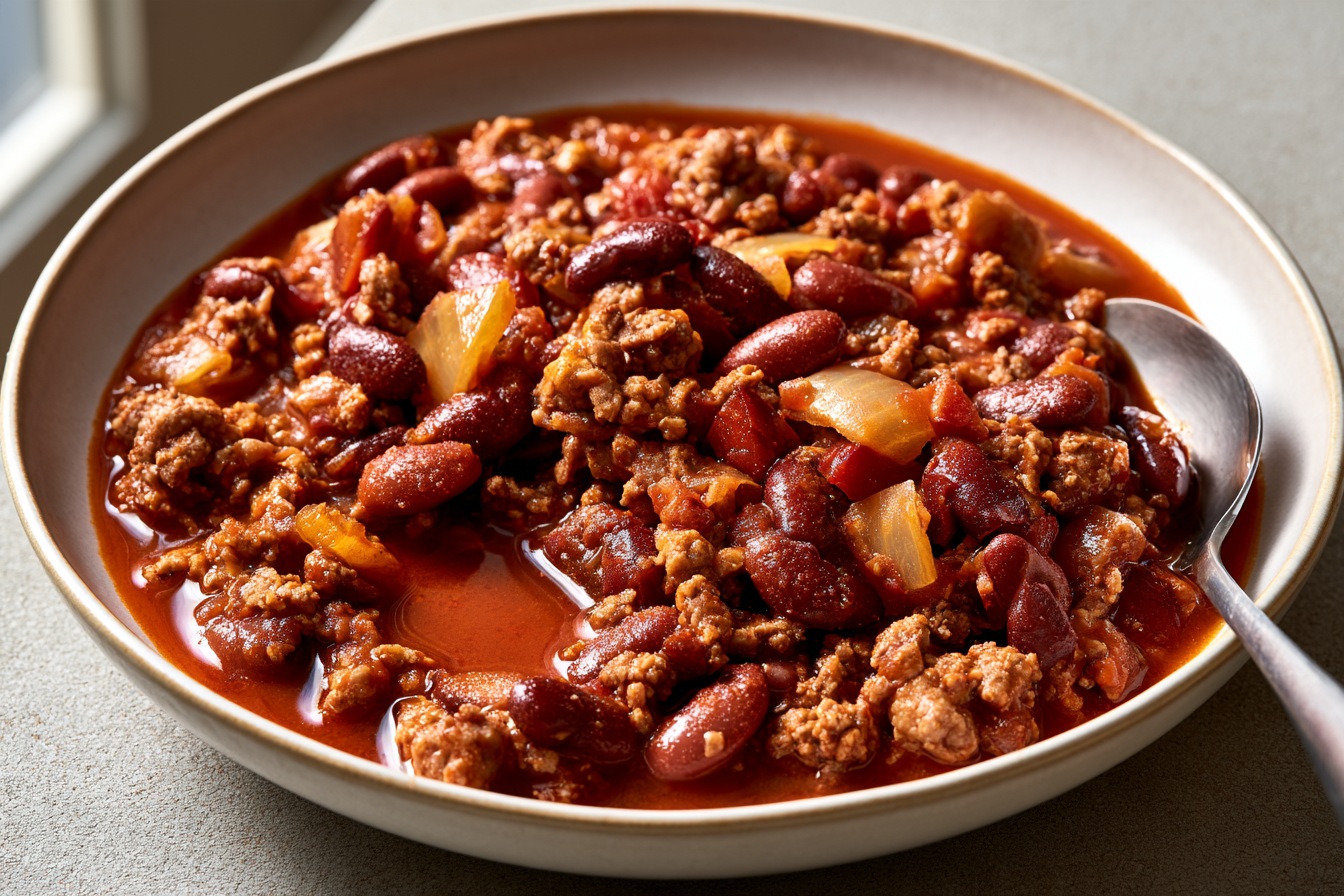
A beef and turkey chili is particularly useful for meal prep because it can be portioned into individual containers after cooling. Keep toppings such as cheese, yogurt, avocado, and crushed tortilla chips separate so they retain their best texture.
For a week of flexible meals, serve the chili in different ways:
- Spoon it over a baked potato or roasted sweet potato.
- Serve it with brown rice, quinoa, or cornbread.
- Use it as a filling for baked tortillas.
- Pair it with a crisp green salad and a simple vinaigrette.
The recipe below uses a combination of lean ground beef and lean ground turkey, beans, tomatoes, and everyday chili seasonings. It is designed for a 5 to 6 quart slow cooker.
Helpful answers
Frequently asked questions
Can I cook raw ground beef and turkey directly in the slow cooker?
Browning first is the more practical choice for this type of recipe. It creates even crumbles, allows excess fat to be drained, and lets you confirm that the turkey reaches 165°F before it is added to the slow cooker.
Why is my slow cooker beef still tough?
Tough cuts such as chuck roast usually need more cooking time to become tender. Keep the lid closed and continue cooking until the meat pulls apart easily or cuts with little resistance.
Can I use all beef or all turkey in chili?
Yes. Use 2 pounds of one type of lean ground meat in place of the combination. All turkey will have a lighter flavor, while all beef will have a richer beef flavor.
How long can cooked chili stay in the refrigerator?
Refrigerate cooled chili in shallow containers and use it within 3 to 4 days. Reheat portions to 165°F before serving.

MACRO SIMMER RECIPE
Slow Cooker Beef and Turkey Chili
A thick, tomato-based chili with lean ground beef, ground turkey, beans, peppers, and warm spices. Brown the meat first, then let the slow cooker bring the flavors together.
Ingredients
Instructions
Allergens
Worcestershire sauce may contain fish, and some brands contain wheat. Choose a label that fits your needs. Check the broth and canned goods for brand-specific allergens.
Substitutions
Use 2 pounds of 93% lean ground beef or 2 pounds of 93% lean ground turkey instead of the beef and turkey combination. The all-beef version will be richer, while the all-turkey version will be milder.
Black beans or pinto beans can replace the kidney beans. Use the same total amount, rinse and drain them, and expect a slightly different texture.
Use yellow or orange bell pepper in place of red bell pepper. Avoid adding extra broth unless the chili seems too thick near the end, since vegetables and tomatoes release liquid as they cook.
Storage, freezing and reheating
Cool leftovers promptly and refrigerate in shallow, covered containers within 2 hours. Use refrigerated chili within 3 to 4 days.
For freezing, portion cooled chili into freezer-safe containers, leaving a little space for expansion. Freeze for best quality for 2 to 3 months. Thaw frozen portions in the refrigerator.
Reheat refrigerated or thawed chili on the stovetop or in the microwave until it reaches 165°F. Add a small splash of broth only if needed to loosen the texture.
Nutrition
Estimated nutrition per serving: Calories: 320 calories; Protein: 30 g; Carbohydrates: 29 g; Fat: 9 g; Fiber: 8 g; Sugar: 7 g; Sodium: 430 mg.
Helpful equipment
Affiliate disclosure: This post contains paid links. As an Amazon Associate I earn from qualifying purchases.
- Crock-Pot 6-Quart Programmable Slow Cooker (paid link)A 6-quart programmable slow cooker with a digital timer and locking lid for standard slow-cooker recipes and easier transport.
- Instant-Read Digital Meat Thermometer (paid link)An instant-read digital thermometer for checking the safe internal temperature of chicken, turkey, beef, and other cooked foods.
Join the conversation
0 comments
Leave a comment
Your email address will not be published. Comments are reviewed before appearing.