
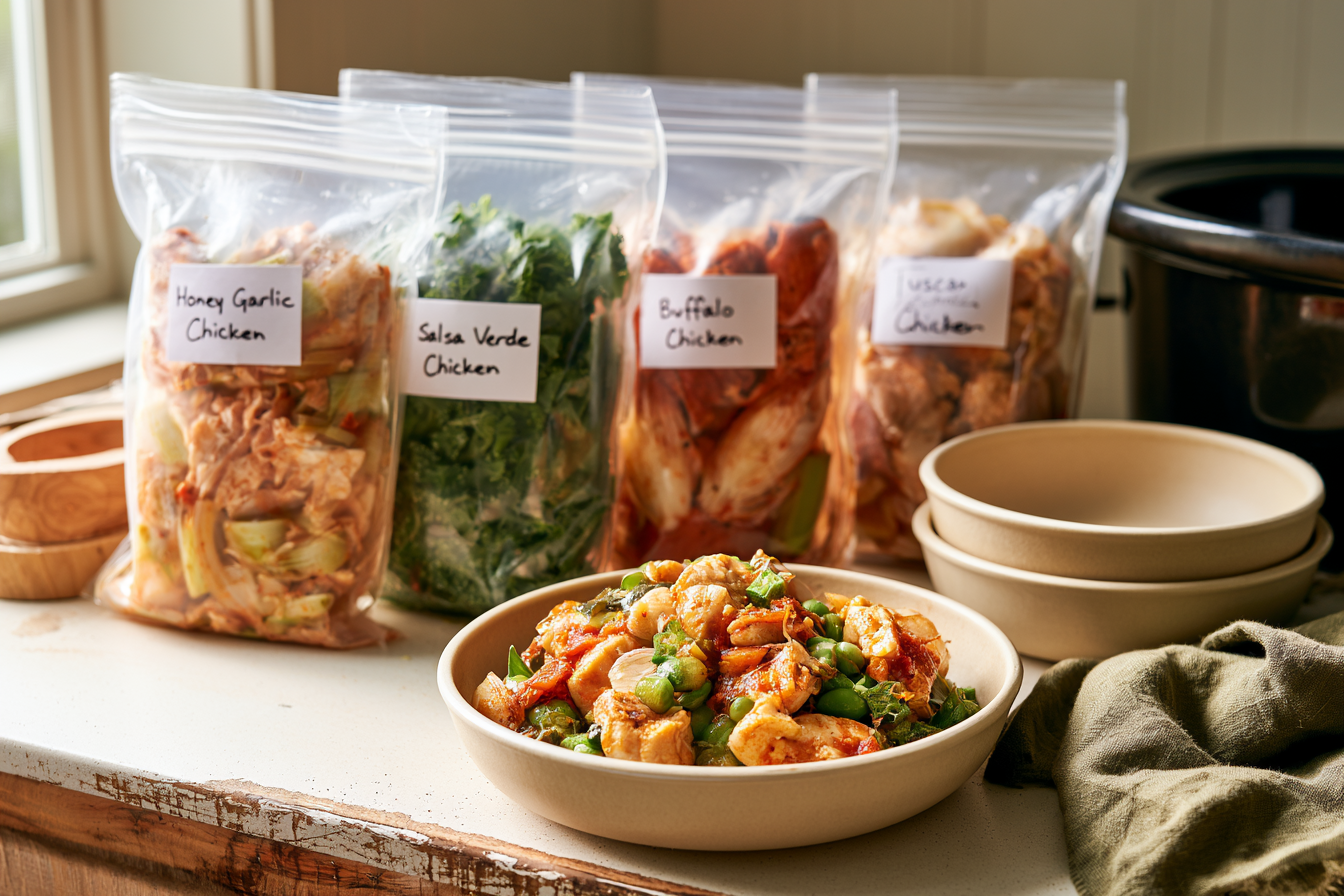
High-protein slow cooker freezer meals make dinner easier by moving the chopping, measuring, and planning to one dedicated prep session. Once meals are assembled, labeled, and frozen, you can thaw one safely in the refrigerator, add it to the slow cooker, and follow its cooking directions on a busy day. This approach is especially useful for households that want more protein-focused dinners without starting from scratch every night.
The goal is not to fill your freezer with mystery bags. It is to create a small, organized backup plan for nights when work runs late, the family schedule changes, or dinner decisions feel like one task too many.
What makes a freezer meal work for the slow cooker
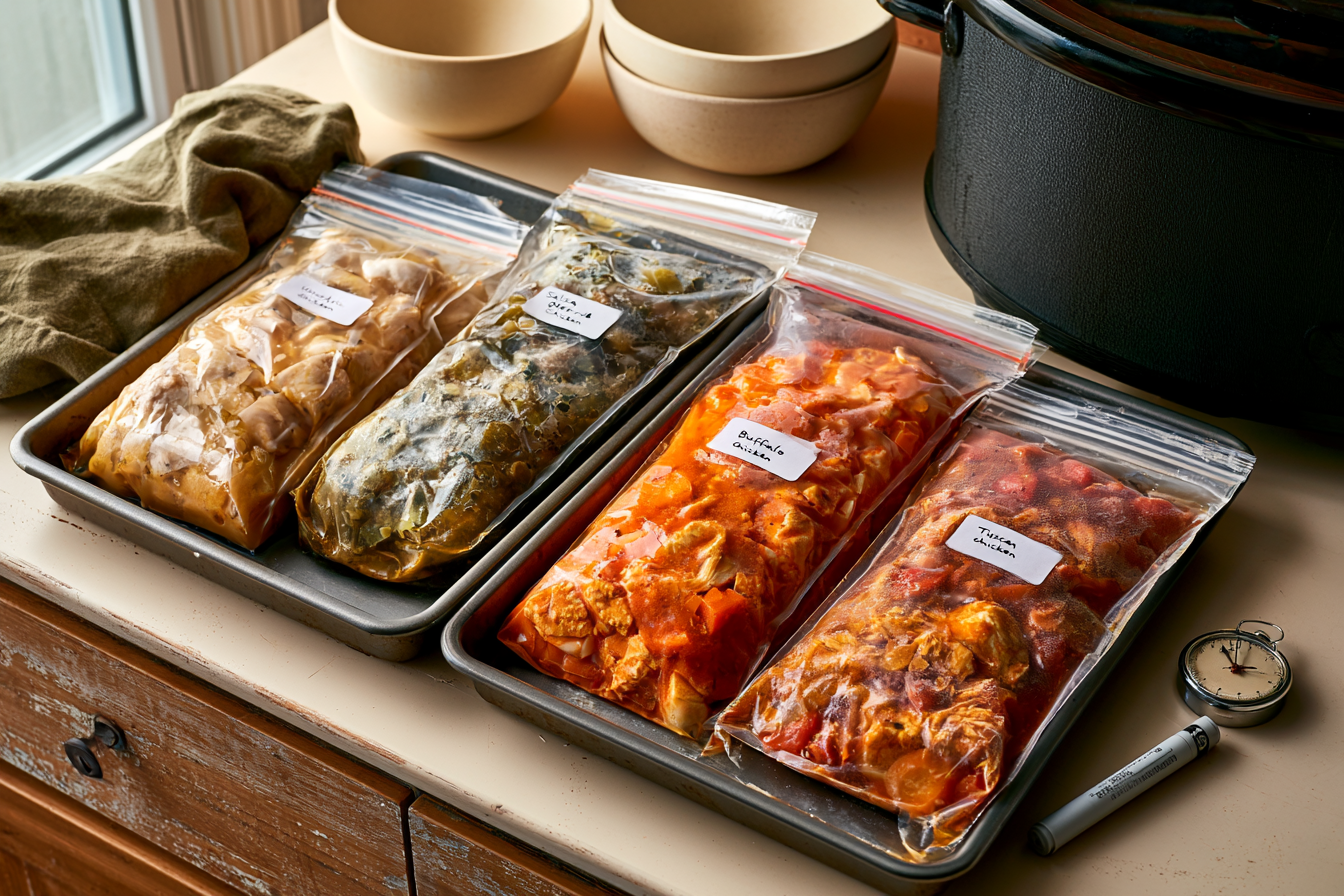
A good slow cooker freezer meal has a clear path from freezer to dinner. The ingredients are portioned together ahead of time, the bag is labeled with what it contains and how to cook it, and the meal is thawed before it goes into the appliance.
The most useful freezer meals also account for the realities of slow cooking. Some ingredients hold their texture well over a longer cook, while others are better added near the end. A dependable plan tells you what belongs in the freezer bag, what may need to be kept separate, and which slow-cooker setting to use.
Protein-focused freezer meals can be particularly helpful because the main protein is already planned and portioned. That reduces the common weeknight pattern of building dinner around whatever happens to be in the refrigerator.
Start with a realistic freezer-meal goal
You do not need to prep a month of dinners in one afternoon. For many people, a small rotation is more practical. Choose the number of meals that fits your freezer space, grocery budget, and available prep time.
Before shopping, take stock of a few basics:
- Freezer space for flat or upright bags
- Enough freezer-safe bags or containers for the meals you plan to make
- A marker and labels that remain readable after freezing
- A sheet pan or rimmed tray for supporting filled bags as they freeze
- Room in the refrigerator to thaw a meal safely before cooking
Flat bags are often easier to organize than bulky containers. Freeze them on a tray first, then store them vertically like files once solid. This makes it easier to see what you have and pull out one meal at a time.
Use a simple prep-day workflow
The fastest freezer sessions are organized before the first ingredient is opened. Read through every meal plan, make one consolidated grocery list, and decide which tasks can be repeated in batches.
1. Choose meals with overlapping ingredients
A freezer plan is easier to manage when multiple meals use some of the same basics, such as chicken, ground turkey, beef, broth, beans, tomatoes, onions, peppers, or seasonings. Overlap can reduce waste and make the grocery trip less complicated.
Variety still matters. Mix familiar flavors and different meal types so your freezer does not become a collection of dinners no one is excited to make.
2. Label every bag before filling it
Write the meal name, the date prepared, and the cooking instructions on each bag before ingredients go in. If the meal has a finishing ingredient or side dish, note that too.
A useful label answers three questions at a glance:
- What is this?
- When was it prepared?
- What do I need to do after thawing it?
This is where printable labels and a quick-reference cooking chart can save time. The 20 High-Protein Dump & Go Freezer Meals ebook includes printable bag labels, a freezer prep plan, and cooking directions designed to keep those details in one place.
3. Set up stations instead of finishing one bag at a time
Place labeled bags upright in bowls or containers so they stay open. Then create stations for produce, proteins, canned goods, seasonings, and any measured dry ingredients.
Work through one ingredient category across all bags before moving to the next. For example, portion the vegetables needed for each meal, then add the protein, then add sauces or seasonings. This reduces repeated cleanup and makes it easier to notice if something has been missed.
Keep raw meat and poultry separate from ready-to-eat foods, and wash hands, tools, and surfaces after handling raw animal proteins.
4. Remove excess air and freeze promptly
Press excess air from each bag before sealing. Lay bags flat on a tray so they freeze in a compact shape, then move them to an organized freezer section after they are solid.
Freezer meals are most useful when they are easy to identify. Group meals by protein, flavor profile, or planned cooking day, whichever makes the most sense for your household.
Thaw freezer meals safely before slow cooking
Slow cookers are designed to cook food over time, but raw meat and poultry should not go from frozen directly into the slow cooker. Thaw freezer meals completely in the refrigerator before cooking.
Place the bag on a rimmed plate or in a shallow container while it thaws. This helps contain any leaks and keeps raw-meat juices from contacting other foods in the refrigerator. Once thawed, transfer the meal to the slow cooker and follow its specific LOW or HIGH cooking directions.
Avoid trying to speed up dinner by starting a frozen raw-meat meal in the slow cooker. Planning the thaw the day before gives the appliance a better chance to heat food safely and cook it evenly.
Build a routine around your busiest nights
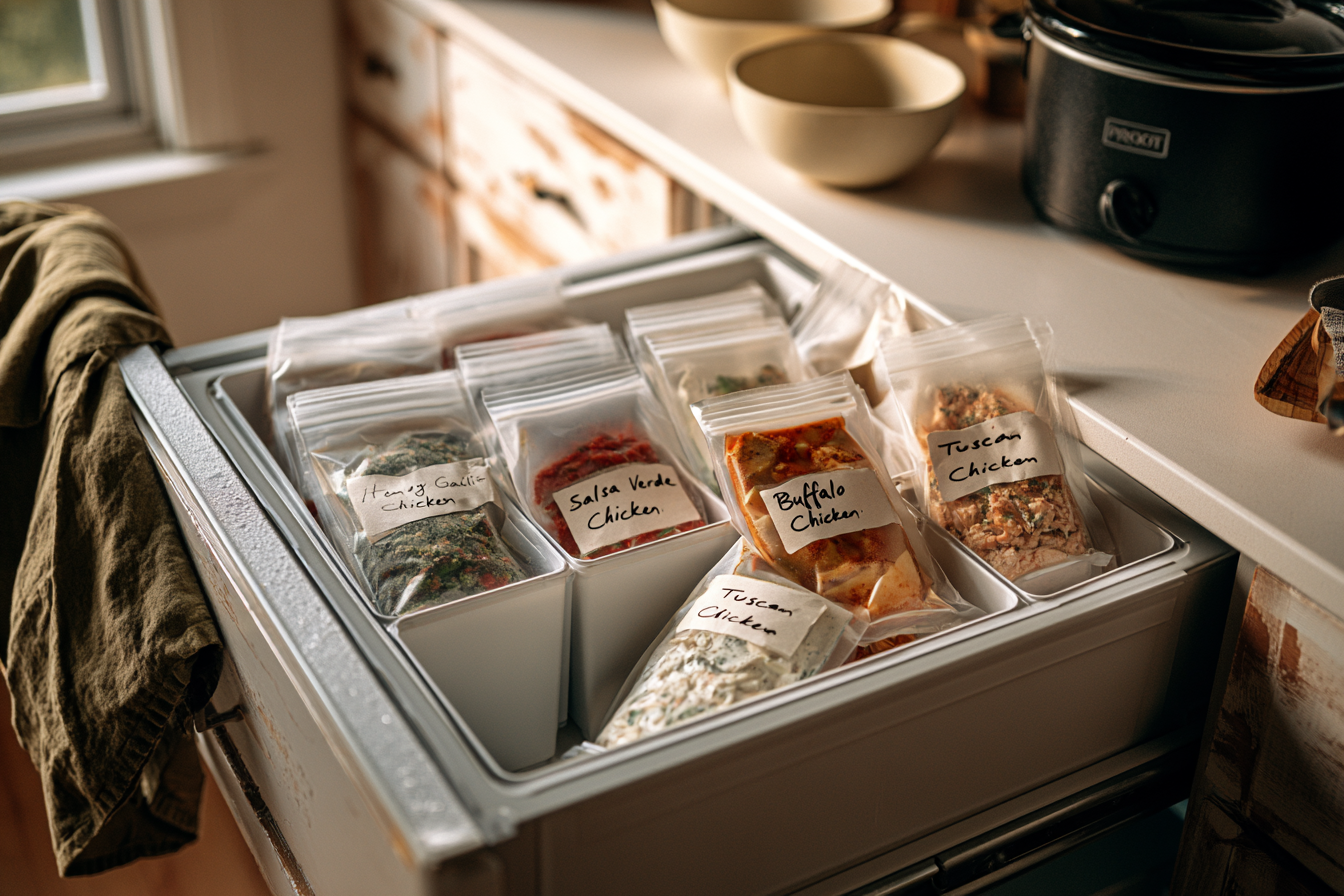
Freezer meals work best when they are part of a simple weekly rhythm. Look ahead at the days when you are most likely to need dinner with minimal hands-on work. Move a meal from the freezer to the refrigerator in advance, then let the slow cooker handle the longer cooking window.
A few routines that can help:
- Choose tomorrow's dinner while putting away tonight's leftovers.
- Keep a recurring reminder to move a freezer meal to the refrigerator.
- Pair each freezer meal with an easy side, such as rice, baked potatoes, tortillas, a bagged salad, or a simple vegetable.
- Use the same serving containers for portioning leftovers after dinner.
The plan does not have to be rigid. A freezer meal is there to give you an option when the day does not go as expected.
Who benefits from a high-protein freezer-meal system
This style of meal prep is useful for busy families, working professionals, new parents, and anyone who wants convenient protein-focused dinners with less daily preparation. It can also help people who enjoy planning once but do not want to cook a full meal from scratch every evening.
It is not necessary to make every dinner a freezer meal. Many households find that a few prepared options create enough breathing room to make the rest of the week easier.
For a more structured starting point, Macro Simmer's 20 High-Protein Dump & Go Freezer Meals is a digital PDF ebook with 20 slow cooker freezer meals, complete ingredient lists, freezer prep instructions, LOW and HIGH cooking times, a master grocery list, a prep-day plan, a cooking chart, printable labels, and estimated calories and macros. Each included meal is designed to provide approximately 30 grams or more of protein per serving, although nutrition estimates can vary with ingredient brands, substitutions, and serving sizes.
Keep the freezer plan flexible
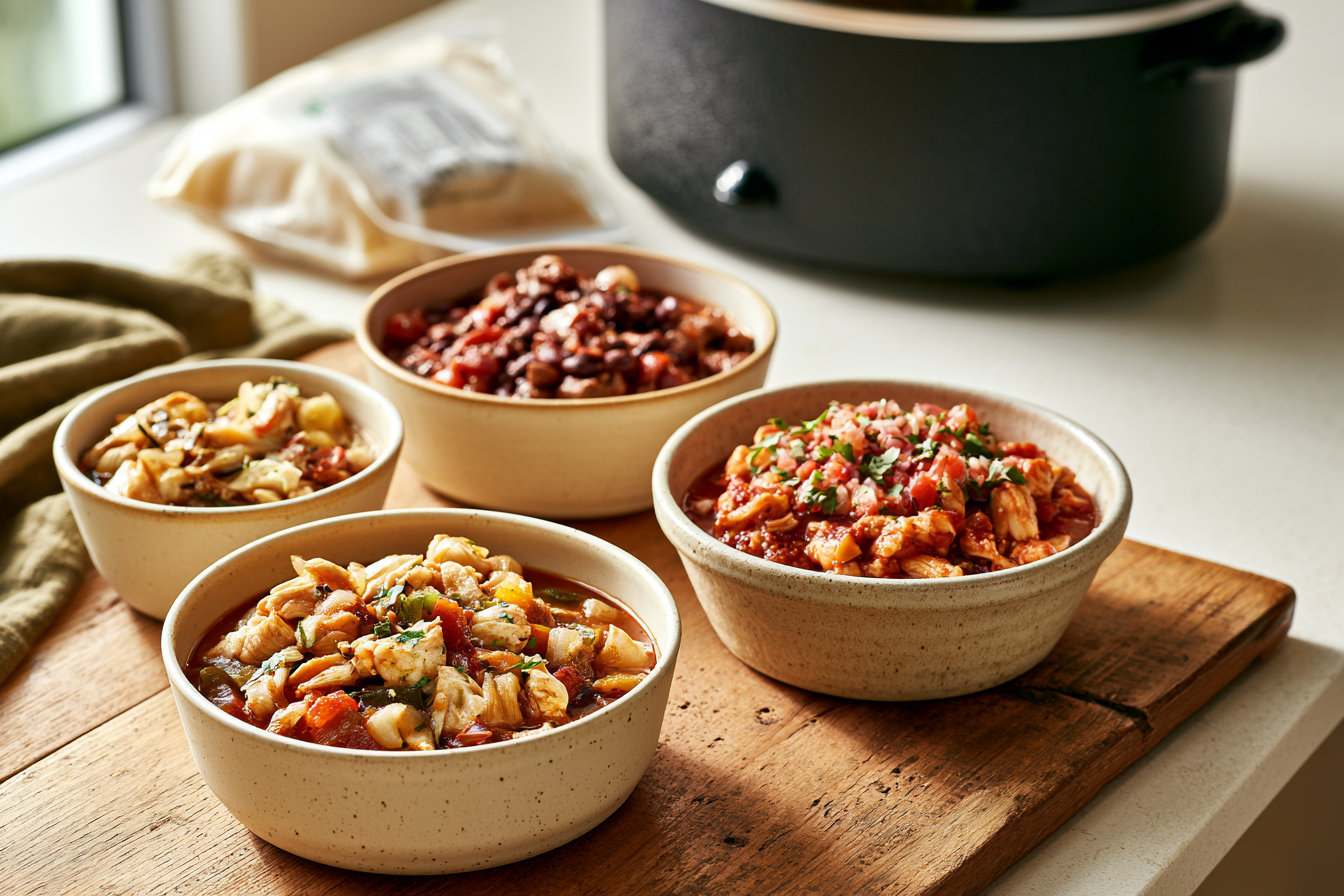
A useful system leaves room for the way your household actually eats. If one kind of meal disappears quickly, make it again. If another stays in the freezer, take that as useful information and adjust the next prep session.
Review your inventory before each grocery trip. Use older meals first, and avoid making duplicates simply because they are familiar. A smaller, well-used freezer rotation is more valuable than an overfilled freezer with forgotten bags.
When dinner is cooked, refrigerate leftovers promptly in shallow containers. Reheat leftovers thoroughly before serving, and use them within the recommended storage window from current USDA guidance.
Join the conversation
0 comments
Leave a comment
Your email address will not be published. Comments are reviewed before appearing.