
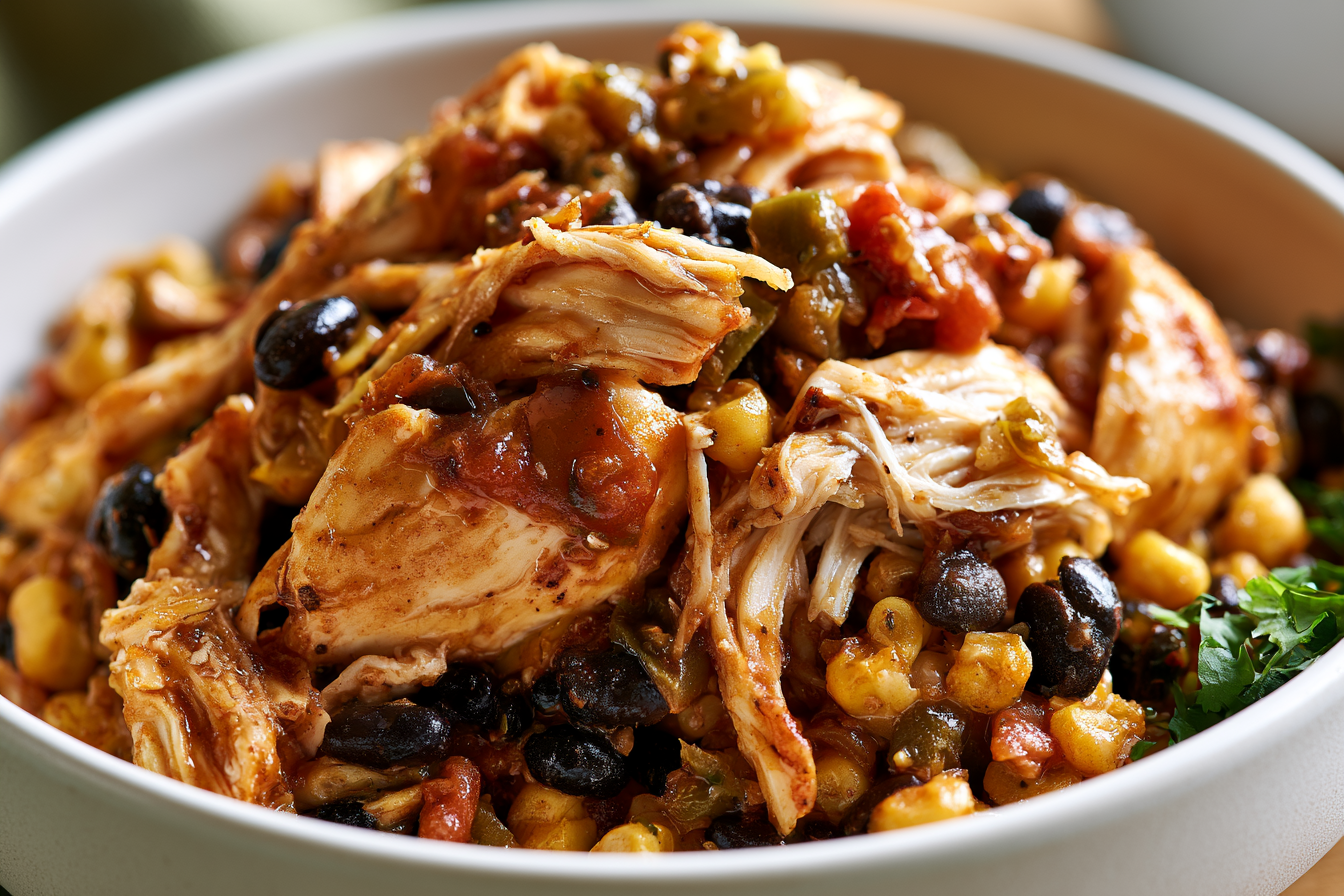
Dump-and-go slow cooker chicken should mean a short prep session, not a risky shortcut. The most dependable approach starts with thawed chicken, uses only the liquid the recipe needs, and lets the slow cooker do the long cooking while you handle the rest of the day. These seven rules help you build easy, protein-focused chicken dinners without watery sauce or unevenly cooked ingredients.
What dump-and-go slow cooker chicken really means
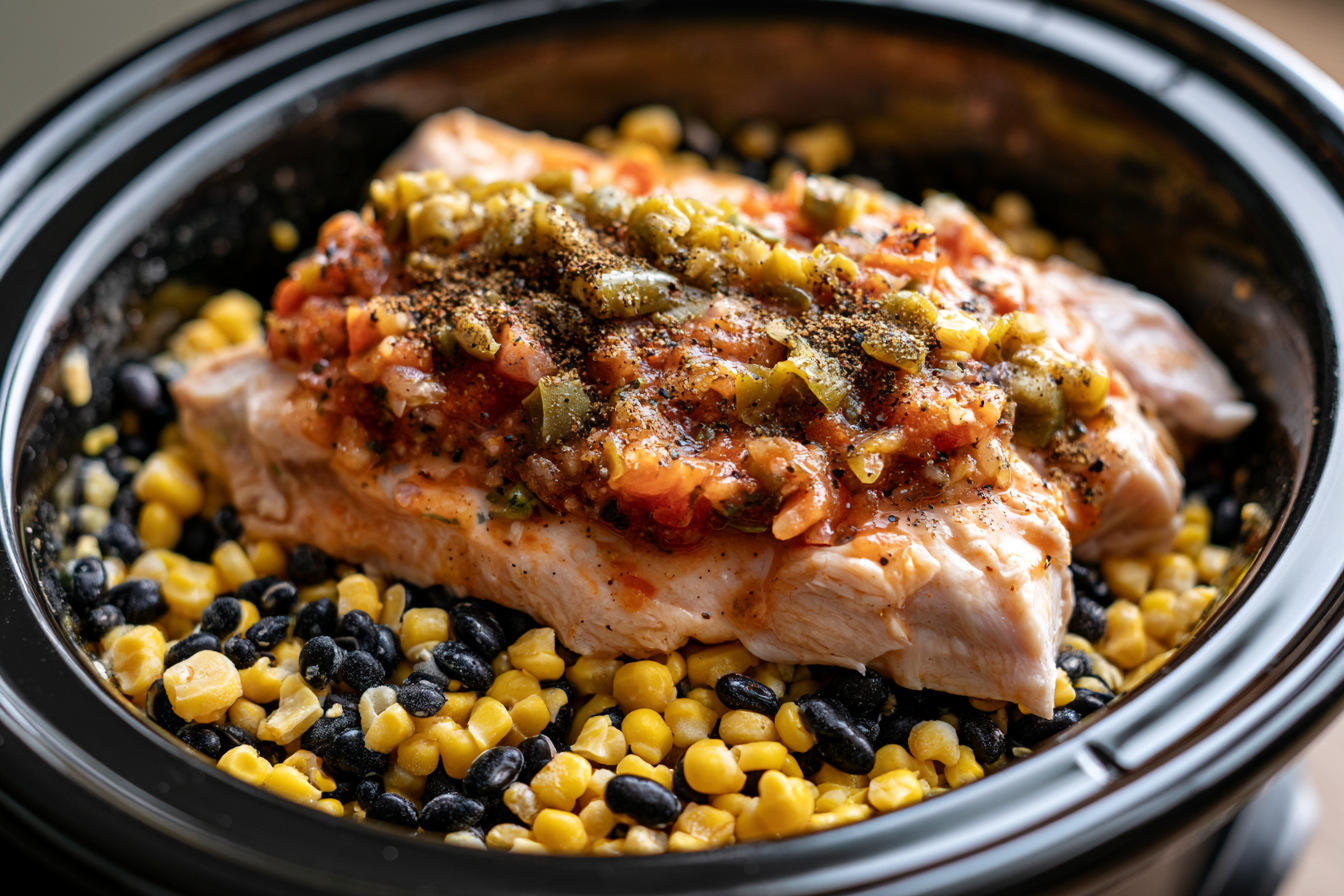
For a chicken dinner, dump-and-go means you can add measured ingredients to the slow cooker with little or no stovetop work. It does not mean every ingredient can go in straight from the freezer, every vegetable cooks at the same rate, or the lid can be opened repeatedly without affecting the result.
A good dump-and-go recipe still asks for a few useful choices:
- Thaw the chicken safely before it goes into the cooker.
- Use ingredients that can cook together for the same amount of time.
- Measure sauces and broth instead of adding liquid by habit.
- Check the chicken with a food thermometer before serving.
Those small steps keep the method low effort while giving dinner a much better chance of turning out well.
Rule 1: Start with thawed chicken
Do not put frozen chicken in a slow cooker. Frozen poultry can spend too long warming through temperatures where bacteria can grow before it reaches a safe cooking temperature.
Thaw chicken in the refrigerator, in cold water, or in a microwave. If you use the cold-water or microwave method, cook the chicken immediately after thawing. Keep raw chicken separate from ready-to-eat foods, then wash hands, utensils, and surfaces that touched it.
Rule 2: Build around chicken and a few pantry ingredients
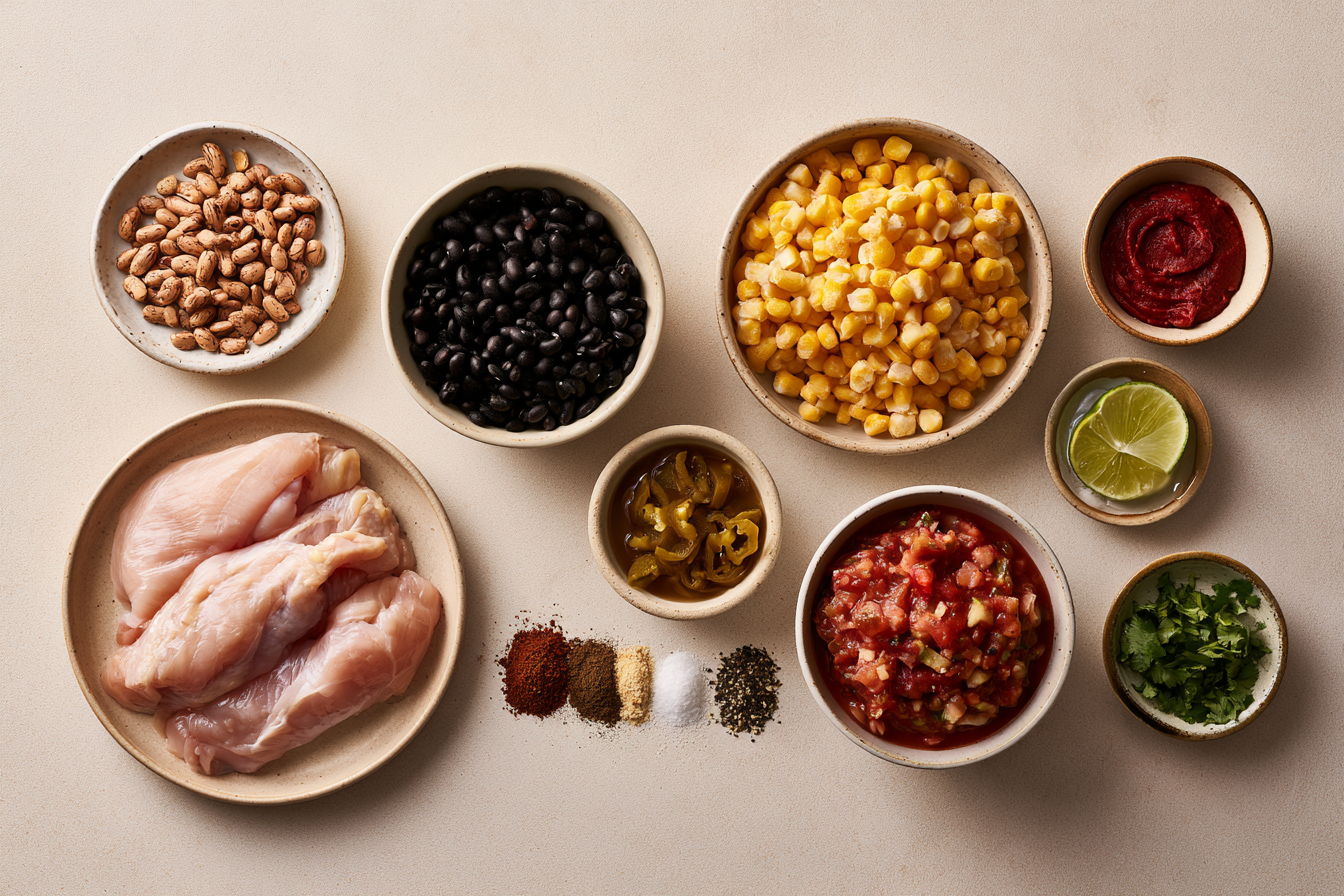
A practical protein-focused slow cooker meal begins with chicken as the main ingredient, then uses pantry items that bring flavor without requiring a long prep list. Jarred salsa, canned beans, diced tomatoes, tomato paste, broth, dry spices, and canned green chiles are useful choices when they fit the recipe.
Beans can make a chicken meal feel more substantial and stretch it into bowls, wraps, or salads. Rinse and drain canned beans first so their packing liquid does not dilute the sauce. Salsa and canned tomatoes also contribute liquid, which matters when deciding whether broth is necessary.
Keep flavors focused. A simple combination such as salsa, cumin, chili powder, garlic, and lime is easier to balance than a long list of sauces with overlapping salt and sweetness.
Rule 3: Put dense vegetables on the bottom
Slow cookers heat most intensely around the base and sides. Dense vegetables benefit from that direct contact, so place them on the bottom before adding chicken.
Good bottom-layer choices include chopped onions, carrots, celery, cubed sweet potatoes, and small potatoes. Cut them into reasonably even pieces so they cook at a similar pace. Chicken can sit above these vegetables, where it will cook in the flavorful moisture released by the ingredients below.
Tender vegetables need a different plan. Spinach, zucchini, bell peppers, peas, corn, and fresh herbs can become very soft after several hours. Add them near the end when the recipe allows, or choose canned or frozen vegetables intended to be warmed through rather than cooked for a long time.
Rule 4: Use less liquid than you think
One common slow cooker problem is a thin, watery finish. Chicken releases juices as it cooks, and vegetables, salsa, tomatoes, and canned goods add more moisture. Unlike stovetop cooking, the lid traps much of that liquid instead of allowing it to evaporate.
Before adding broth, look at the other ingredients. A recipe made with salsa and tomatoes may need no extra broth at all. A recipe with dry seasonings and firm vegetables may need a measured amount of broth or another cooking liquid to prevent scorching and create a sauce.
If the finished mixture is looser than you prefer, remove the chicken and simmer the liquid separately on the stovetop only if your recipe includes that option. Another simple solution is to shred the chicken and let it rest in the cooking liquid for a few minutes, which helps it absorb some of the sauce.
Rule 5: Keep the lid closed
Every time the lid comes off, heat escapes and the cooker needs time to return to temperature. Opening the lid to stir or check progress can extend cooking time and make timing less predictable.
Load the ingredients, place the lid securely, and follow the setting and cooking range in the recipe you are using. Check near the early end of the stated range with a thermometer, especially when using smaller chicken pieces, a slow cooker that runs hot, or a cooker that is less full.
Avoid filling the slow cooker too high. Consult your appliance manual for its capacity guidance. Overfilling can interfere with even heating and make the lid fit poorly.
Rule 6: Choose chicken cuts with the finished meal in mind
Boneless, skinless chicken breasts are convenient for slicing or shredding, but they can become dry if cooked longer than needed. They work well when the recipe has enough sauce and you begin checking for 165°F at the early end of the cooking range.
Boneless, skinless chicken thighs are more forgiving in saucy dishes and are especially useful when the recipe will cook toward the longer end of a range. Either cut can work in a dump-and-go meal, but do not swap them without considering how the texture may change.
For a meal that will be shredded, leave larger pieces whole until the chicken is cooked through. Shred it at the end, then stir it back into the sauce. This keeps the chicken from breaking down too early and gives you a more even result.
Rule 7: Plan the finish before you start
A slow cooker handles the main cooking, but a quick finish can make the meal taste more complete. Think about it when you load the cooker so the final step stays simple.
Acidic ingredients such as lime juice, lemon juice, vinegar, and some fresh salsas are usually best stirred in at the end. Their flavor stays brighter than it would after hours of cooking. Fresh herbs, sliced green onions, and tender greens also belong near the finish.
For an easy dinner, serve the chicken mixture over rice, in warm tortillas, on baked potatoes, or over salad greens. For meal prep, portion the cooked chicken and sauce into individual containers, then add different sides through the week to avoid repeating the exact same meal.
A low-prep ingredient checklist
Before starting, make sure the recipe has a clear answer to each of these questions:
- Is the chicken fully thawed?
- Does the recipe specify a slow cooker setting and cooking range?
- Are dense vegetables placed beneath the chicken?
- Is there enough liquid to cook the meal, but not so much that the sauce will be diluted?
- Which ingredients, if any, should be added at the end?
- Does the finished chicken need to reach 165°F?
The example below puts those rules into practice with chicken, black beans, salsa, and simple seasonings. It is designed for easy shredding and flexible serving options.
Storage and meal-prep basics
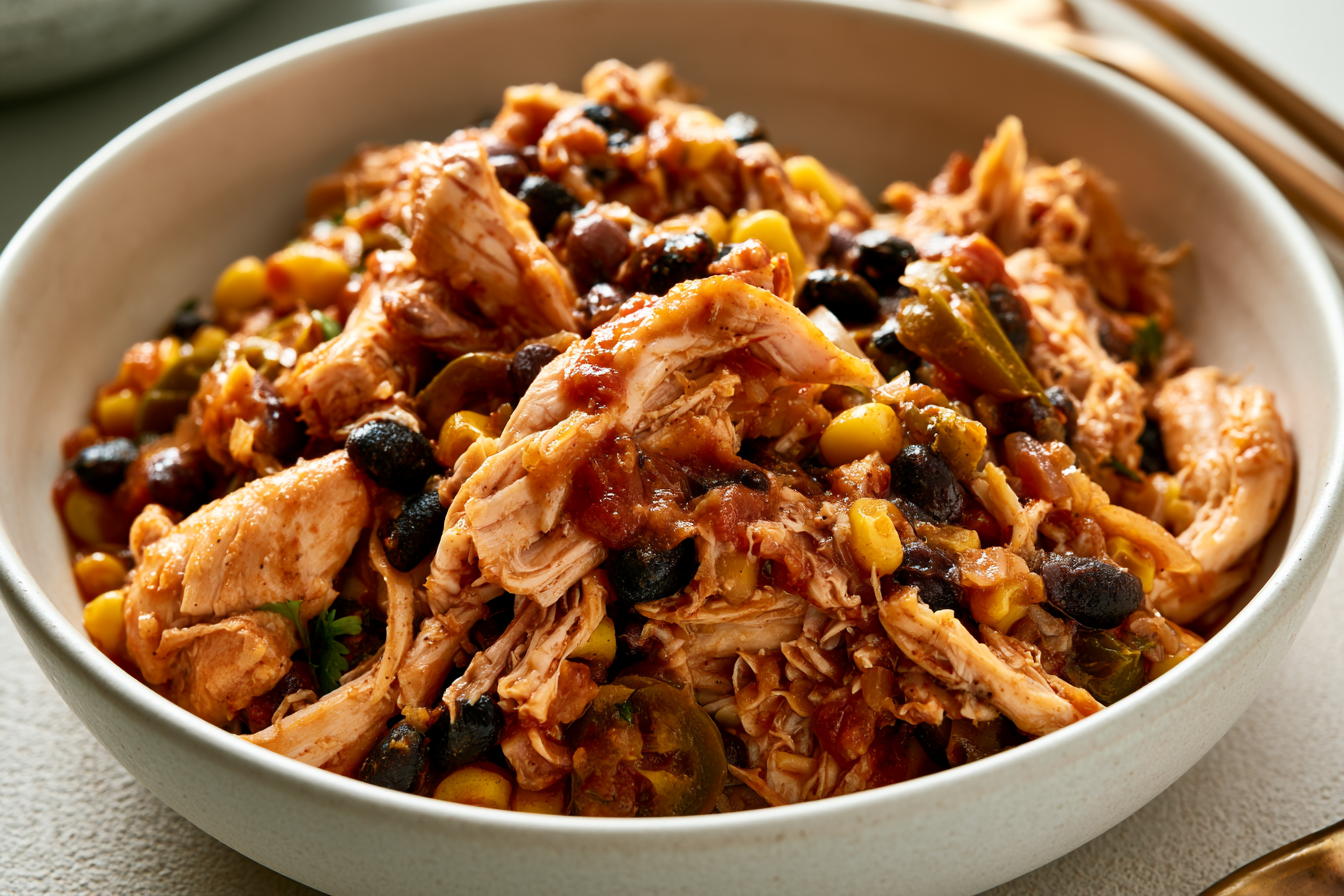
Refrigerate cooked chicken within 2 hours of cooking. Divide leftovers into shallow containers so they cool more quickly, then refrigerate them for 3 to 4 days.
For longer storage, freeze cooled portions in freezer-safe containers or bags. Label them with the date and use them within 2 to 3 months for best quality. Thaw frozen portions in the refrigerator before reheating.
Reheat leftovers until they reach 165°F. Add a small splash of water or broth if the chicken mixture seems dry after refrigeration, and stir halfway through reheating when practical.
Helpful answers
Frequently asked questions
Can I use frozen chicken for a dump-and-go slow cooker dinner?
No. Thaw chicken safely before adding it to the slow cooker. Frozen chicken may not heat quickly enough for safe slow cooking.
Should chicken be covered with liquid in a slow cooker?
Usually, no. Chicken, salsa, tomatoes, and vegetables release liquid as they cook. Use the amount called for in the recipe rather than covering the chicken with broth or water.
Can I add raw beans to a slow cooker chicken meal?
Use canned beans that have been rinsed and drained unless a recipe gives specific instructions for properly preparing dried beans. Canned beans are the easiest low-prep option.
How do I keep shredded slow cooker chicken from drying out?
Check the chicken at the early end of the cooking range, remove it once it reaches 165°F, and stir the shredded meat back into its cooking sauce before serving.

MACRO SIMMER RECIPE
Salsa Black Bean Slow Cooker Chicken
Tender shredded chicken with black beans, salsa, corn, and warm spices for easy bowls, tacos, salads, or meal-prep portions.
Ingredients
Instructions
Allergens
This recipe contains no major allergens as written. Check the labels on salsa, canned beans, tomato paste, and spice blends, since packaged products can vary.
Substitutions
- Use boneless, skinless chicken thighs in place of chicken breasts. Start checking their temperature at 3 hours, but they may need the longer end of the cooking range.
- Replace black beans with rinsed and drained pinto beans or kidney beans.
- Use fire-roasted diced tomatoes with green chiles in place of the salsa for a less saucy mixture. Add 1/2 teaspoon of salt only after tasting, since tomato products vary in sodium.
- Omit the corn if preferred. The finished meal will yield slightly less volume but will still cook properly.
Storage, freezing and reheating
Cool leftovers promptly and refrigerate in shallow containers for 3 to 4 days. Freeze cooled portions in freezer-safe containers for up to 2 to 3 months for best quality. Thaw frozen portions in the refrigerator. Reheat until the chicken reaches 165°F, adding a small splash of water if needed to loosen the sauce.
Helpful equipment
Affiliate disclosure: This post contains paid links. As an Amazon Associate I earn from qualifying purchases.
- Manual Can Opener (paid link)A manual can opener with an ergonomic turning knob for opening canned beans, tomatoes, broth, and other pantry ingredients.
- Crock-Pot 6-Quart Programmable Slow Cooker (paid link)A 6-quart programmable slow cooker with a digital timer and locking lid for standard slow-cooker recipes and easier transport.
Join the conversation
0 comments
Leave a comment
Your email address will not be published. Comments are reviewed before appearing.