
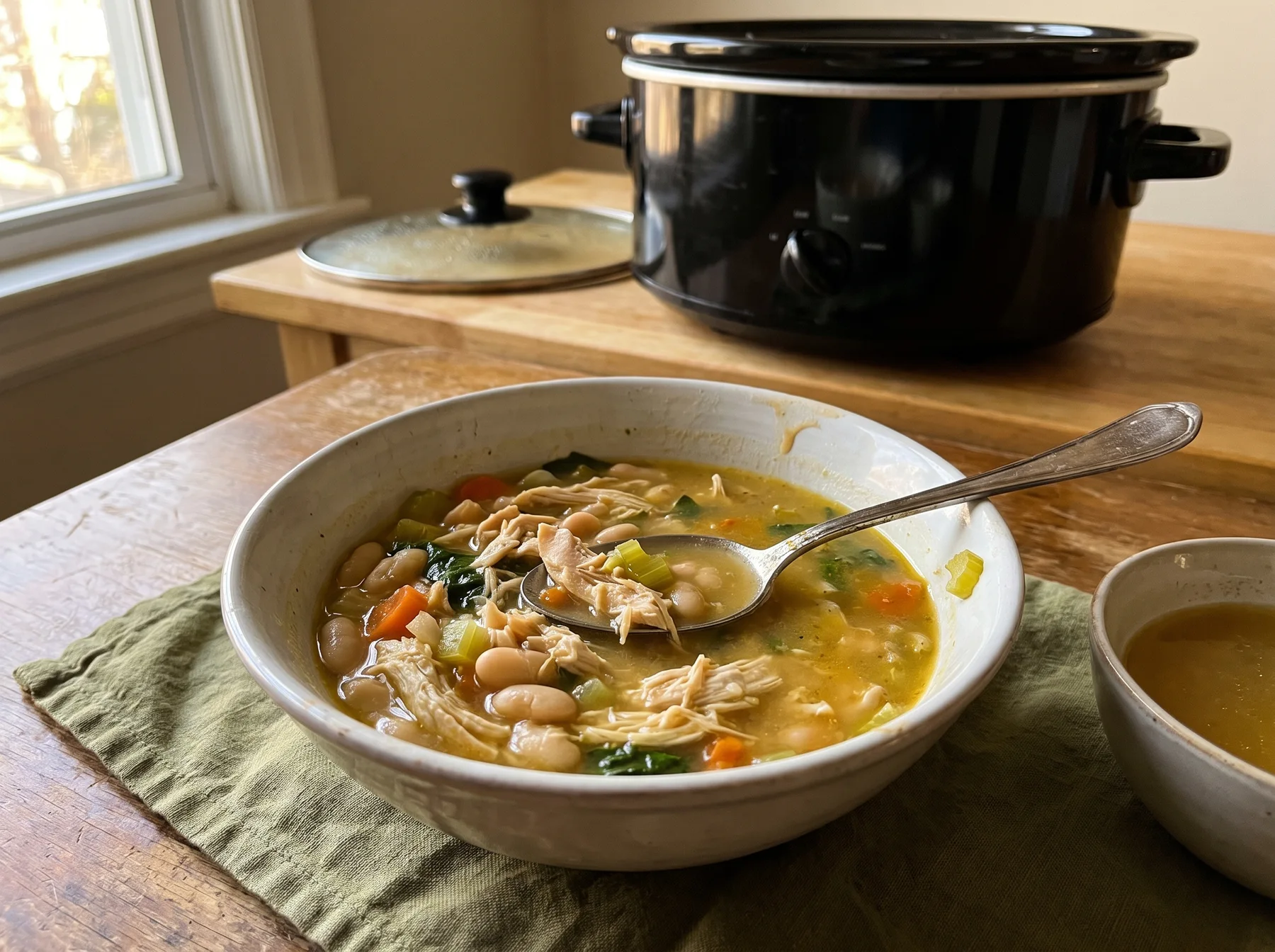
A high protein slow cooker soup starts with a familiar soup recipe, then adds a protein source that fits its broth, cook time, and texture. You do not need to turn every pot into a complicated meal. The most useful approach is to choose one main protein, add it at the right point, and avoid ingredients that become dry, grainy, or mushy after hours in the slow cooker.
This guide helps you adjust brothy soups, tomato-based soups, creamy soups, bean soups, and chili-style dinners without losing the easy, hands-off appeal of slow cooking.
What makes a slow cooker soup protein-focused?
A protein-focused soup has a clear source of protein in each portion, rather than relying on a small garnish or a few scattered beans. In practice, that usually means building the soup around poultry, meat, beans, lentils, tofu, or a combination that suits the recipe.
The soup still needs to work as soup. The protein should fit the liquid, seasoning, vegetables, and planned cooking time. For example, shredded chicken works naturally in a chicken-and-vegetable broth, while lentils are a better fit for a tomato soup with warming spices. A creamy soup may benefit from cooked chicken or turkey, then a stirred-in dairy ingredient near the end if it suits the recipe.
Start with one primary protein source before adding a second. A soup with chicken, beans, and lentils can be satisfying, but it can also become too thick or crowded unless the broth and seasoning are adjusted thoughtfully.
Start with one main protein
Choose the main protein based on how long the soup will cook and the finished texture you want.
Chicken
Boneless chicken breasts or thighs are common choices for slow cooker soup. They can cook in the soup, then be removed, shredded, and returned near the end. Chicken thighs generally stay more forgiving in a longer cook, while breasts can dry out if held too long after reaching a safe temperature.
For a shortcut, add cooked shredded chicken closer to the end. This is especially useful for soups that need a long cook for beans, vegetables, or flavor development but do not need long-cooked chicken.
Turkey or lean beef
Ground turkey and lean ground beef add substance to chili-style soups, taco soups, and tomato-based soups. Browning ground meat first gives it a more appealing texture and lets you drain excess fat before it goes into the slow cooker.
For soups built around cubes of beef, use a recipe designed for that cut and cooking time. Adding small, already-cooked pieces of beef to a long-cooking soup can make them dry and stringy.
Beans
Canned beans are a simple option for many slow cooker soups. They work particularly well in tomato, vegetable, chicken, taco, and chili-style bases. Rinse and drain canned beans if you want to reduce the thickness and salty flavor that can come from the canning liquid.
Add them during the final part of cooking when you want distinct, intact beans. Add them earlier when a softer, thicker result suits the soup.
Lentils
Lentils can add body to soups while also helping thicken the broth. Brown and green lentils generally hold their shape better than red lentils. Red lentils break down more readily, creating a softer, thicker texture that works well in blended or rustic vegetable soups.
Unlike canned beans, dried lentils need time in the cooking liquid. Follow a recipe that provides a suitable amount of liquid and cook time for the type of lentil you use.
Tofu
Firm or extra-firm tofu can work in vegetable-forward, gingered, tomato-based, or broth-based soups. Cube it and add it later in the cook so it warms through without breaking apart from repeated stirring. Tofu has a mild flavor, so the broth and seasoning need to carry the dish.
Dairy-based additions
Plain Greek yogurt, cottage cheese, or a similar dairy ingredient can make some finished soups feel more substantial, but they are not long-cook ingredients. Stir them into individual bowls or add them at the end with care, depending on the soup and the ingredient.
Greek yogurt can separate in very hot soup. To reduce that risk, stir a small amount of hot soup into the yogurt first, then stir the warmed yogurt mixture back into the soup off the heat. Cottage cheese changes the texture noticeably, so it is often better blended into a smooth soup base or used as a bowl-by-bowl addition.
Six practical ways to add more protein to slow cooker soup
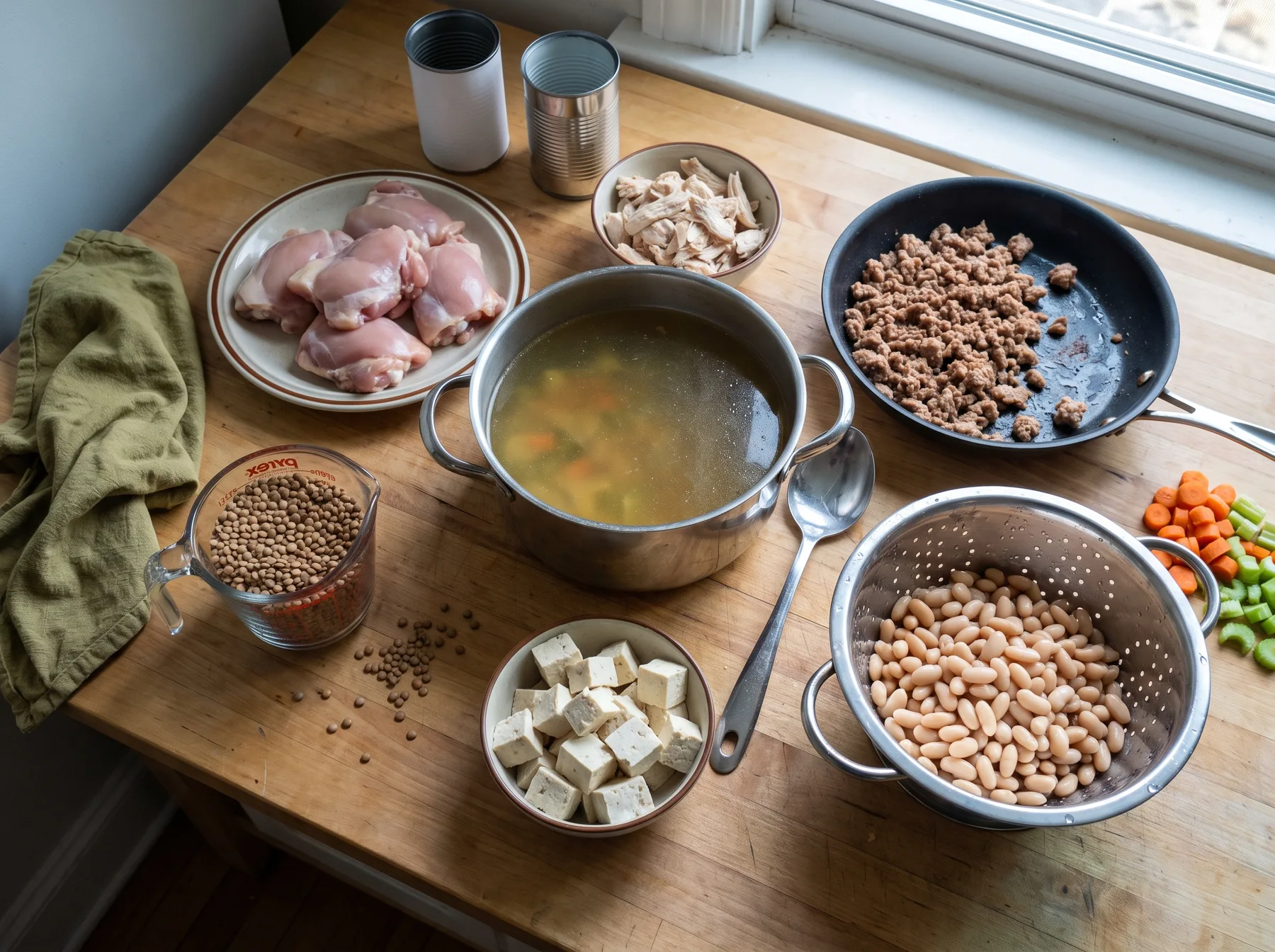
1. Cook chicken directly in a brothy soup
Chicken is a natural fit for vegetable, noodle-free, rice-free, and tortilla-style soups. Place thawed chicken in the slow cooker with the liquid and seasonings called for in your recipe. Once it reaches a safe internal temperature, shred or chop it, then return it to the soup.
Avoid leaving shredded chicken on heat for much longer than needed. It can lose moisture and become stringy.
2. Stir cooked shredded chicken into the finished soup
This is one of the most flexible options for meal prep. Make a pot of vegetable or bean soup, then stir in cooked shredded chicken during the last 15 to 30 minutes on LOW or until it is hot throughout.
This approach is useful when the soup base takes longer to cook than the chicken needs, or when you are using chicken cooked separately for several meals.
3. Brown ground turkey or beef for chili-style soups
For taco soup, chili, or a hearty tomato soup, brown ground turkey or lean ground beef in a skillet before adding it to the slow cooker. Break it into small pieces as it cooks so it distributes evenly in the soup.
This extra step is brief, but it prevents the large, steamed clumps that can result from adding raw ground meat straight to the cooker.
4. Add canned beans near the end for a firmer bite
Canned black beans, white beans, chickpeas, kidney beans, and pinto beans are practical additions when the soup is already nearly done. Add rinsed, drained beans during the final 30 to 60 minutes on LOW, then cook just long enough to heat them through and let the flavors come together.
For a thicker soup, mash some of the beans against the side of the slow cooker before serving.
5. Use lentils to thicken a soup as it cooks
Lentils are especially helpful in tomato, vegetable, curry-inspired, and chili-style soups. Add them early enough to soften in the broth. They absorb liquid as they cook, so check whether the soup needs more broth before serving.
Brown or green lentils are a better choice when you want visible lentils. Red lentils suit soups where a softer, almost blended texture is welcome.
6. Finish individual bowls with tofu or a tempered dairy addition
When you want to preserve the texture of a delicate ingredient, add it at the end rather than asking it to cook all day. Warm cubes of firm tofu in the hot soup until heated through, or use tempered Greek yogurt in a soup that benefits from creaminess and tang.
Adding these ingredients to individual bowls also makes it easier to serve different preferences from one pot of soup.
When to add protein to slow cooker soup
Timing matters as much as the ingredient itself.
| Protein add-in | Best time to add | What to watch for | | --- | --- | --- | | Raw chicken | At the beginning, if the recipe cook time suits the cut | Check with a thermometer and avoid holding cooked chicken too long | | Cooked shredded chicken | Last 15 to 30 minutes on LOW | Add only long enough to heat through | | Browned ground turkey or beef | At the beginning with the soup base | Brown first for a better texture | | Canned beans | Final 30 to 60 minutes, or earlier for a softer soup | Rinse and drain, then avoid over-stirring | | Dried lentils | Early in the cook | They absorb broth and can thicken the soup | | Firm tofu | Final 15 to 30 minutes | Stir gently so cubes stay intact | | Greek yogurt or cottage cheese | At the end, preferably off heat | High heat can cause separation or a grainy texture |
Match the add-in to the soup style
Brothy soups
Clearer soups with chicken broth, vegetables, herbs, and lighter seasonings work well with shredded chicken, white beans, chickpeas, or firm tofu. Add cooked ingredients near the end to keep the broth from becoming overly thick.
If you are adding beans and chicken together, use a restrained amount of each so the soup still has enough broth in every bowl.
Tomato-based soups
Tomato-based soups handle ground turkey, lean ground beef, lentils, white beans, black beans, and shredded chicken well. Their acidity and strong seasoning can support hearty ingredients without tasting flat.
Dairy additions need special care in tomato soup because acidity and high heat can encourage curdling. If using yogurt or another dairy ingredient, stir it into individual bowls or temper it first.
Creamy soups
Creamy soups often pair well with cooked chicken, turkey, white beans, or blended cottage cheese. Add cooked poultry late enough that it stays tender. If you use a dairy addition, incorporate it after the slow cooker is turned off and avoid boiling the soup afterward.
A pureed white bean addition can thicken a creamy soup, but it will also change the flavor and make the finished soup less smooth unless fully blended.
Bean-based soups
When beans are already the centerpiece, adding a second protein can be useful but is not always necessary. Shredded chicken or browned turkey can make sense in a bean soup with a thin broth, while lentils may make an already bean-heavy soup too dense.
Consider whether the soup needs more protein, more vegetables, or simply more broth before adding another ingredient.
Chili-style soups
Chili-style soups are the easiest place to combine proteins. Ground turkey or lean beef plus beans is a familiar, practical pairing. Lentils can also work, particularly in a thicker, tomato-based chili.
Use enough liquid for the style you want. Beans and lentils both absorb liquid, and a thick chili can become too dense after holding on warm.
Slow cooker safety and prep rules
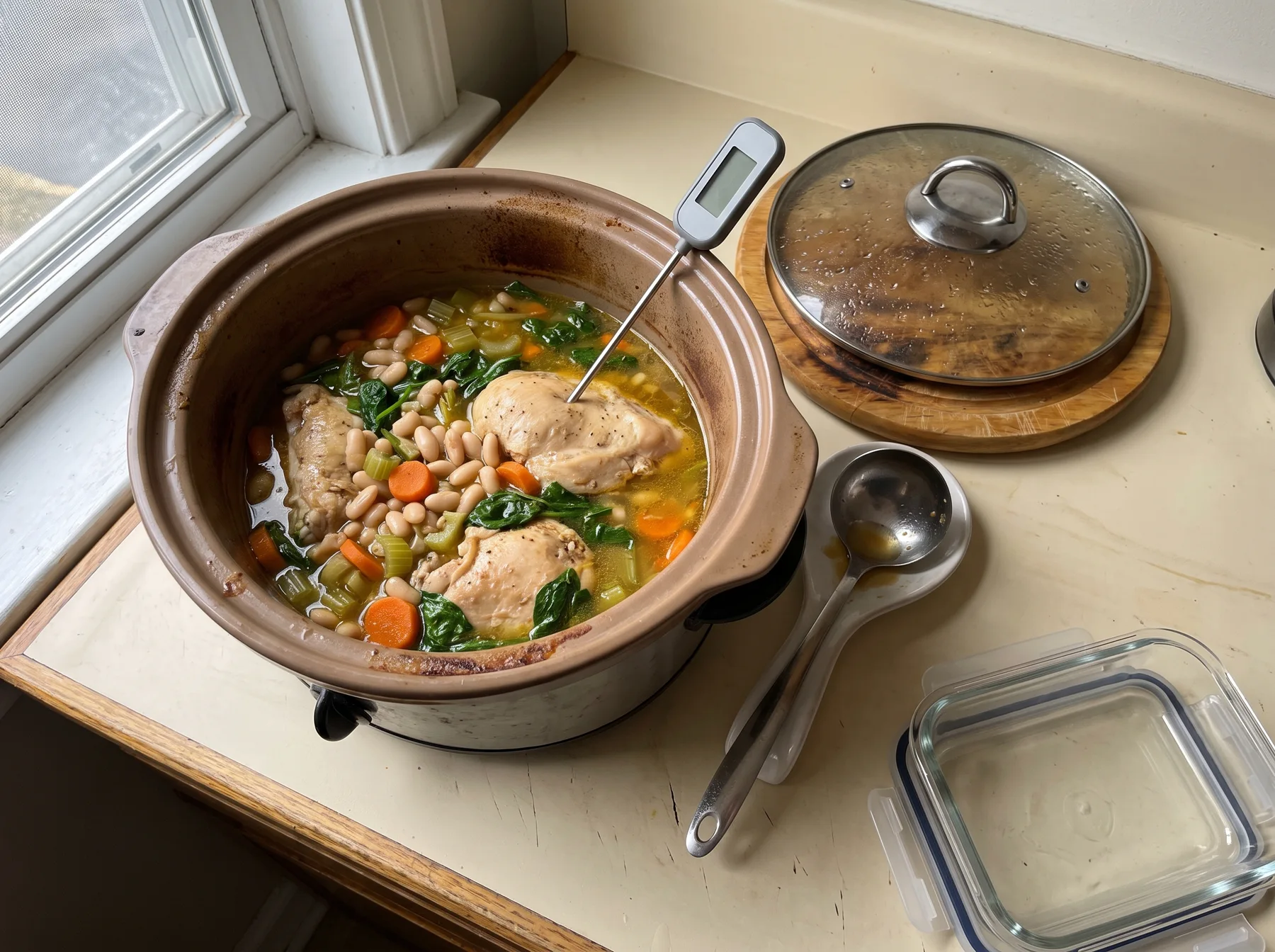
Use thawed meat and poultry in slow cooker recipes. A slow cooker is not designed to safely thaw frozen chicken, turkey, or beef during the cooking process.
For poultry, use a food thermometer to confirm the thickest part reaches 165°F. Ground meat should also be cooked to the appropriate safe temperature, and any cooked leftovers should be reheated to 165°F before serving.
Do not rely on color, clear juices, or how easily meat shreds as a safety check. A thermometer is the reliable way to confirm doneness.
> > Refrigerate soup in shallow containers within two hours of cooking. Do not leave a full pot of soup cooling on the counter for an extended period.
Canned beans are already cooked, but dried beans need appropriate preparation. Do not rely on a slow cooker alone to prepare dried kidney beans, because slow cookers may not reach a temperature high enough to reliably address naturally occurring toxins. Use canned kidney beans or follow a reliable method that includes boiling dried kidney beans before using them in a slow cooker recipe.
Meal prep, cooling, storage, freezing, and reheating
Protein-focused soup can be a practical meal-prep option when it is cooled and stored safely.
Portion soup into shallow containers so it cools more quickly. Refrigerate it promptly, then use refrigerated leftovers within three to four days. Freeze portions you will not use in that window.
For easier lunches, freeze soup in single-serving or two-serving containers, leaving a little space at the top for expansion. Beans and lentils may become softer after freezing and reheating, while dairy-based soups can separate. If a soup contains yogurt, cream, or another delicate dairy ingredient, consider adding that ingredient after reheating instead.
Thaw frozen soup in the refrigerator, in cold water, or in a microwave if you will reheat it immediately. Reheat leftovers to 165°F, stirring as needed so the center heats evenly. Add a splash of broth or water if lentils, beans, or pasta have thickened the soup during storage.
Common mistakes when adding protein to slow cooker soup
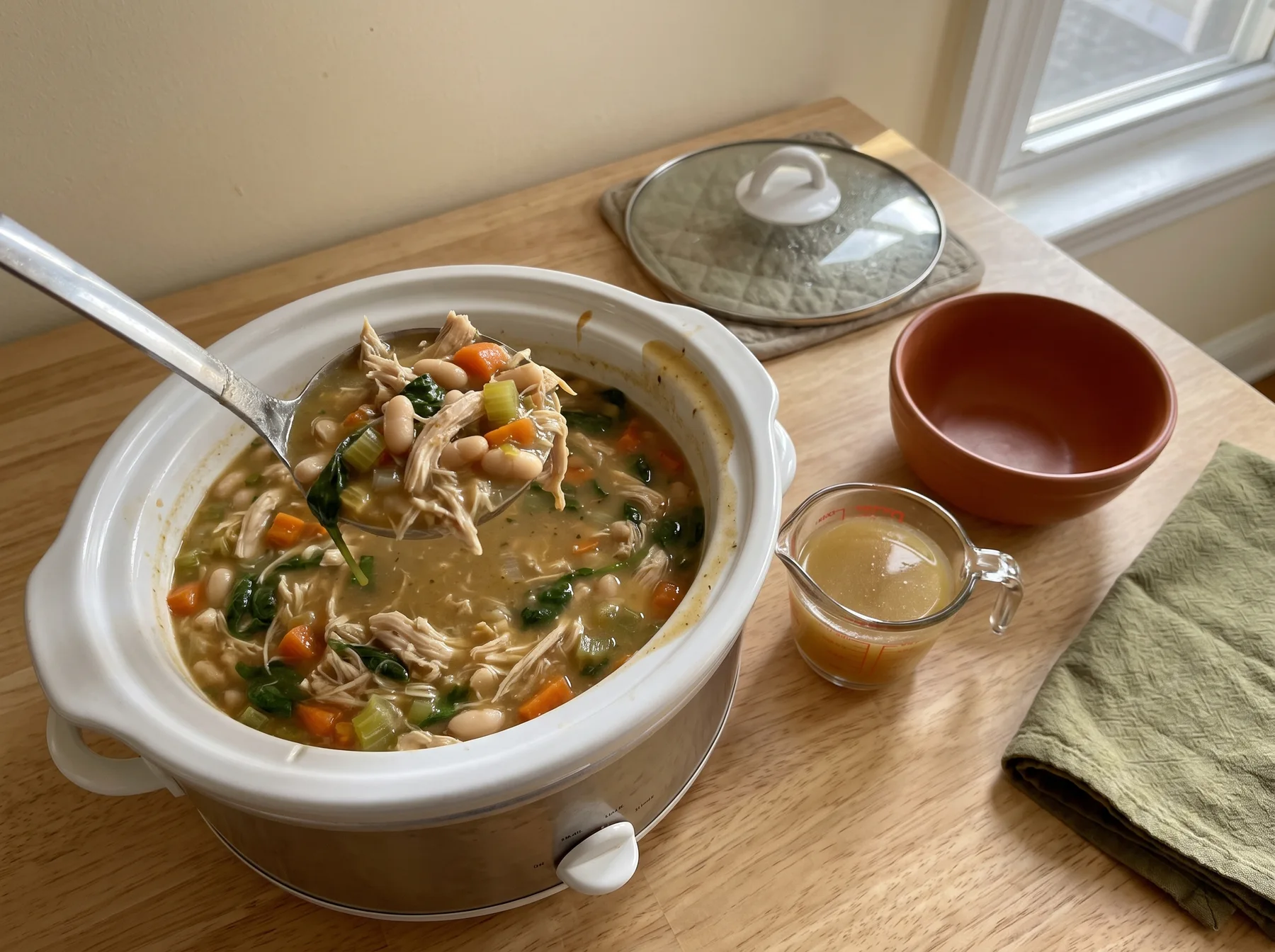
The most common issue is adding every ingredient at the beginning. That can leave cooked chicken dry, canned beans split, tofu broken apart, and dairy grainy.
Another issue is not accounting for thickness. Lentils, beans, and shredded meat all displace broth. If you add more than one of these ingredients, check the liquid before serving and adjust gradually.
Finally, avoid treating the warm setting as a second cooking stage. It is useful for short-term holding after food is fully cooked, but it will not improve undercooked meat or rescue beans and lentils that did not have enough liquid or cooking time.
A simple way to build a more protein-focused soup
For a high protein slow cooker soup that still feels easy, keep the adjustment focused. Choose one protein that suits the soup, add it at the right time, and make a small liquid adjustment if the pot becomes too thick. That simple framework works across chicken soup, vegetable soup, tomato soup, bean soup, and chili-style dinners without requiring a separate recipe every time.

MACRO SIMMER RECIPE
Slow Cooker Chicken and White Bean Soup
A practical chicken, cannellini bean, vegetable, and kale soup that demonstrates how one main protein and one bean add-in can work together in a slow cooker. This source-backed example has not been independently kitchen-tested by Macro Simmer.
Ingredients
Instructions
Allergens
The basic recipe does not intentionally include a major US food allergen, but packaged chicken stock can contain allergens or cross-contact warnings. Check every label when cooking for someone with an allergy.
Substitutions
- Great Northern beans for cannellini beans: Use the same quantity, drained and rinsed. The beans may be slightly softer but the liquid balance remains similar.
- Boneless, skinless chicken thighs for chicken breasts: Use the same weight and still confirm 165°F before shredding. The soup may contain more rendered fat.
Storage, freezing and reheating
Divide the cooked soup among shallow covered containers and refrigerate within 2 hours. Use refrigerated soup within 3 to 4 days. Freeze cooled portions in airtight freezer-safe containers for longer storage. Thaw in the refrigerator when practical. Reheat the soup on the stovetop or in a microwave until it reaches 165°F; do not use a slow cooker to reheat cold leftovers.
Nutrition
Nutrition values are not displayed until they are calculated from the exact brands used. The page explains protein-focused ingredient choices and does not make a quantified nutrition claim for this example.
Sources for this example
- Recipe quantities, yield, and LOW/HIGH timing adapted from Slow Cooker Tuscan Chicken and White Bean Soup.
- Slow-cooker preparation, thawing, cooling, and reheating guidance follows USDA Slow Cookers and Food Safety.
- Chicken and leftover temperatures follow the USDA Safe Minimum Internal Temperature Chart.
Join the conversation
0 comments
Leave a comment
Your email address will not be published. Comments are reviewed before appearing.